
Obstetrics & Gynaecology
Our gynaecologists and obstetricians in Neelankarai, ECR, Chennai provide maternal health services from planning a pregnancy to delivery and beyond: antenatal care and check-ups, normal and high-risk delivery support, and treatment for women's health conditions, including minimally invasive (laparoscopic) surgery. Call +91 91761 00016 or message on WhatsApp to book a consultation.
Obstetrics & Gynaecology care in Neelankarai, ECR, Chennai is available at Healtree Hospital. Gynaecologist and obstetrician care in Neelankarai, ECR: maternal care, safe delivery and women's health. The hospital is open 24 hours, seven days a week. Call +91 91761 00016 or message us on WhatsApp.
- 24/7 emergency and labour ward
- Operation theatre on campus
- 24/7 Neonatal ICU (NICU)
- Painless delivery available
- Cashless insurance
Offers and camps
 Hospital Day specialPre-book now
Health package
Hospital Day Women's Health Check
A Hospital Day special for women: blood count, sugar, kidney, liver, thyroid and cholesterol tests, an ECG and a pelvic ultrasound, with a gynaecologist consultation, for ₹499.
From 30 Nov 2026 to 30 Dec 2026
₹499₹5,800
Choose the care you need
Tests, treatment and surgery under one roof in Neelankarai, ECR.

Antenatal care and pregnancy scans
Regular check-ups, blood tests and scans from your first visit to your due date.
Learn more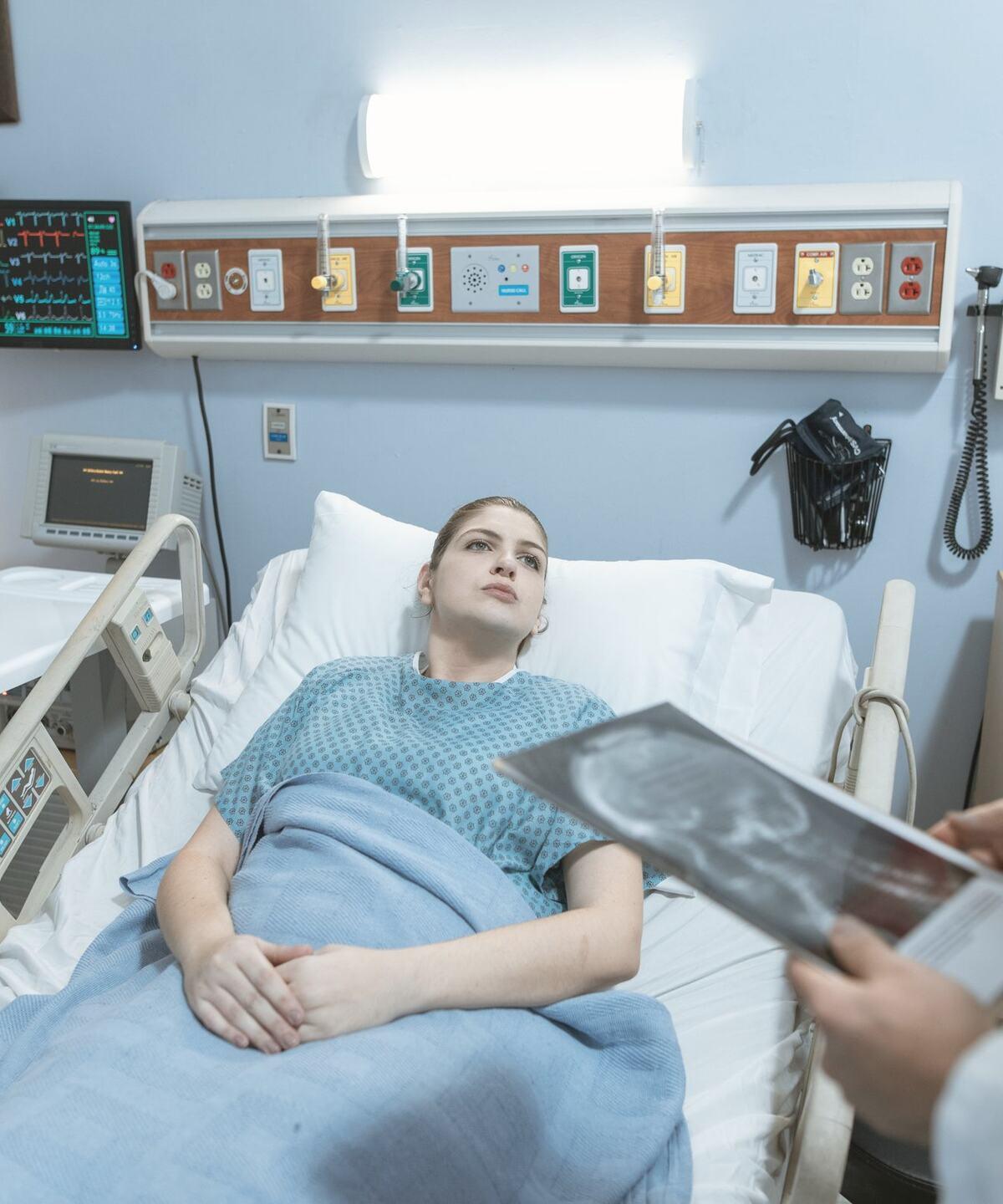
Normal and painless delivery
A 24-hour labour ward, with pain relief on request and the operation theatre close by.
Learn more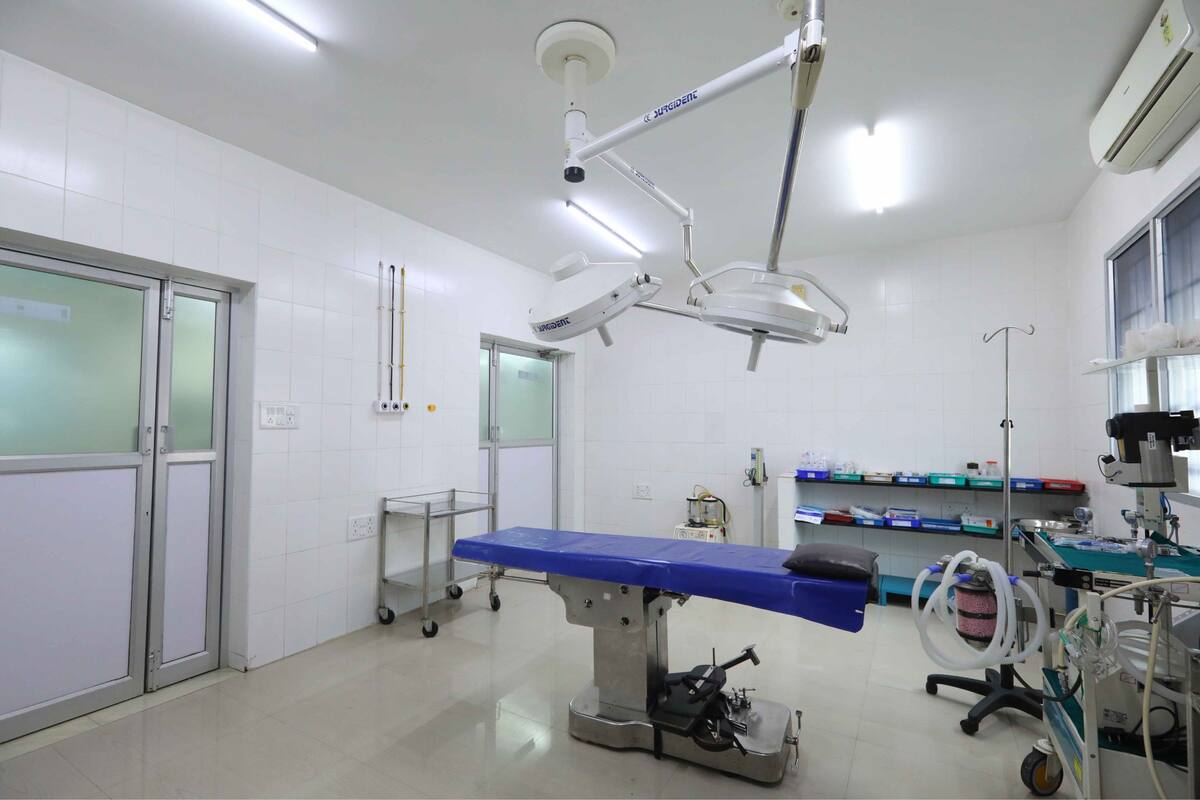
Caesarean section (LSCS)
Planned and emergency caesarean delivery in the hospital's own operation theatre.
Learn more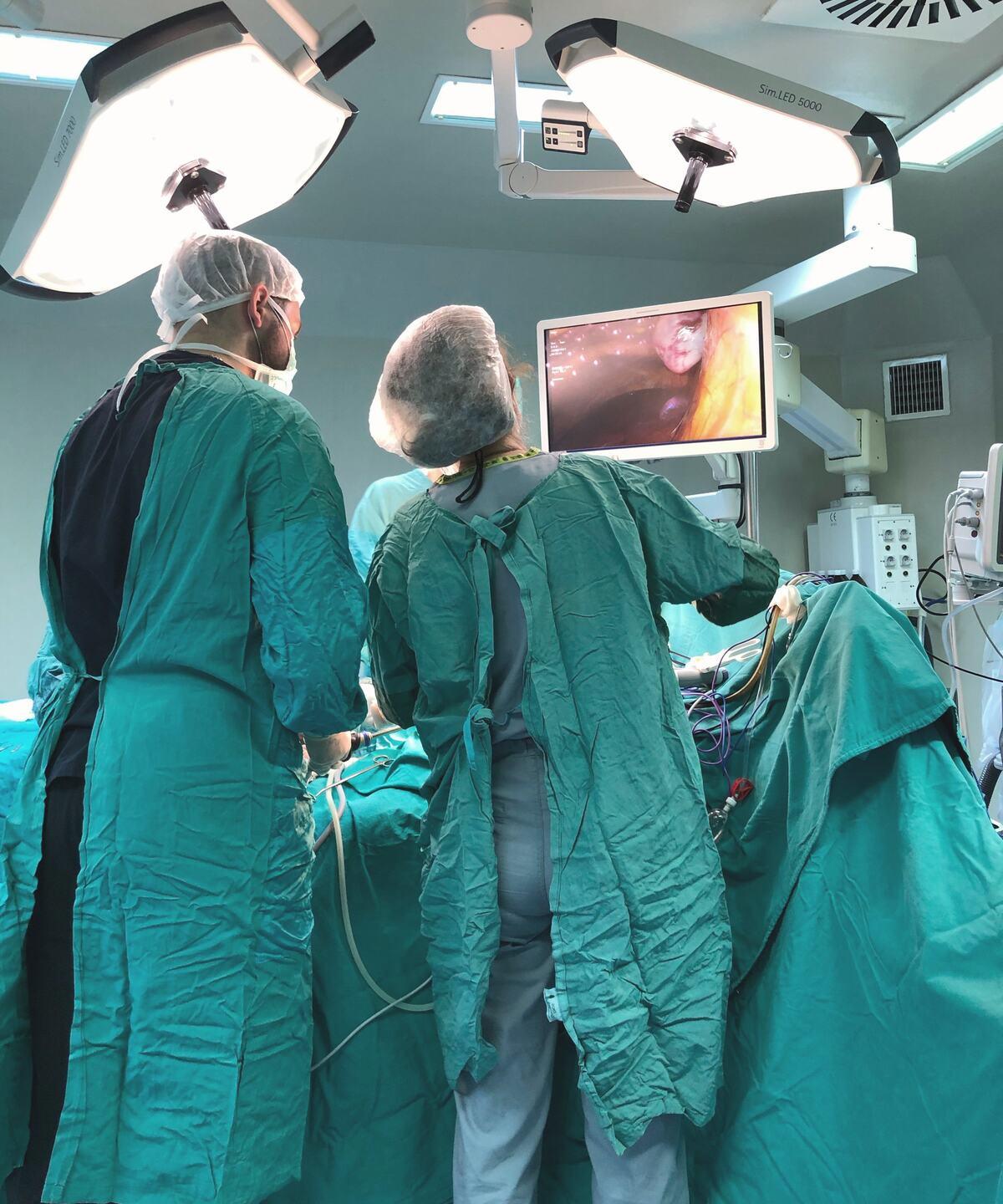
Laparoscopic surgery
Keyhole hysterectomy, myomectomy for fibroids, sterilisation and diagnostic laparoscopy.
Learn more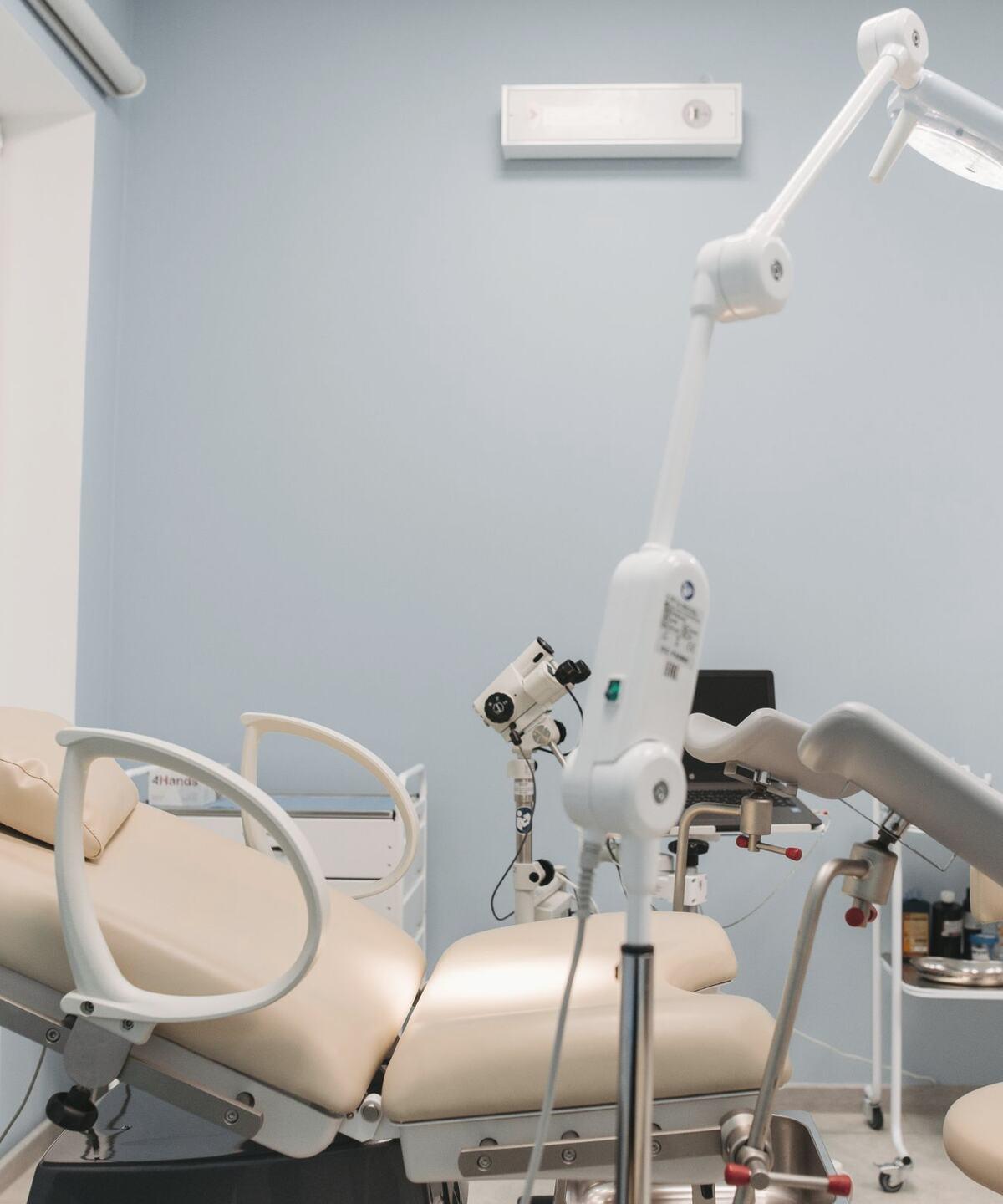
Hysteroscopy
A thin camera looks inside the womb to find and treat polyps, fibroids and causes of bleeding.
Learn more
Fertility care and IUI
Tests for both partners, ovulation tracking and intrauterine insemination (IUI).
Learn more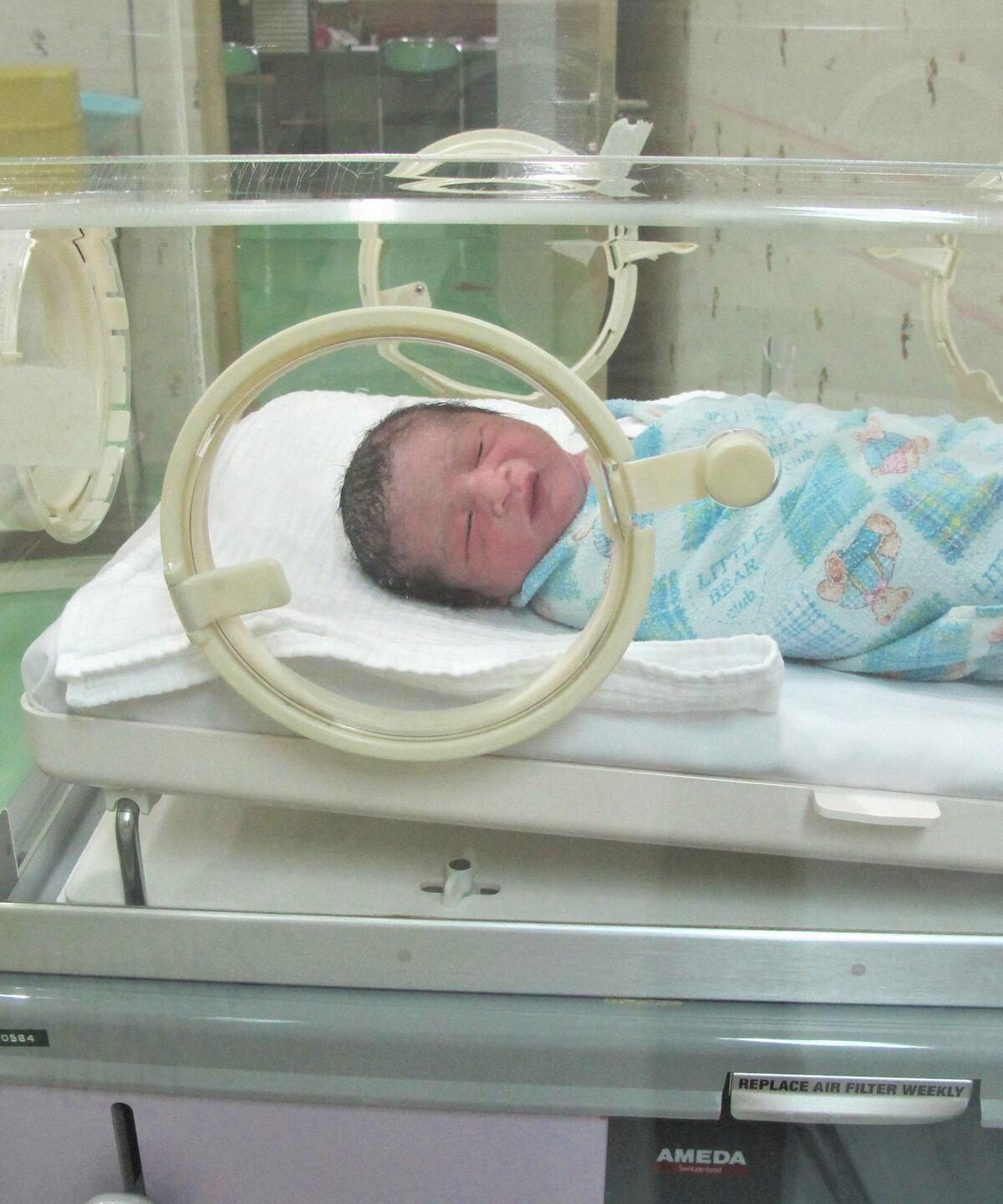
Newborn care and NICU
A paediatrician checks every baby, and a 24/7 Neonatal ICU is on the same campus.
Learn more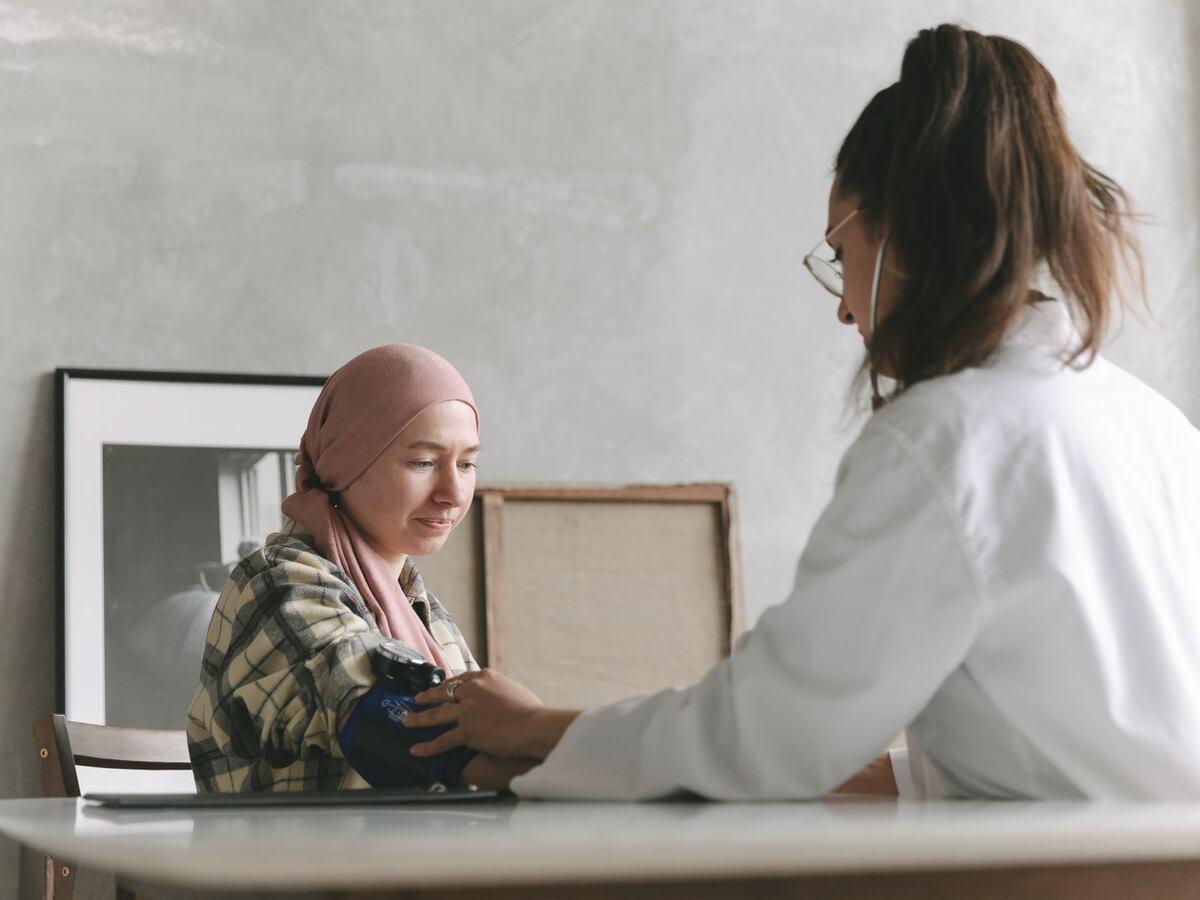
Well-woman checks and screening
Pap smear and HPV screening, menopause care and routine check-ups at every age.
Learn moreConditions we treat: when to get treatment
Tap a condition to see the common signs and when it is time to see a doctor.
Irregular or heavy periods
Periods that come less than 21 or more than 35 days apart, change a lot from month to month, or are very heavy. Common causes are PCOS, thyroid problems, fibroids, adenomyosis, polyps and endometriosis.
Common signs
- Cycles shorter than 21 days or longer than 35 days
- Soaking a pad every hour, or passing large clots
- Bleeding between periods or after sex
- Periods that come with pain
When to get treatment
- Periods have been irregular for three months or more
- No period for 90 days and a negative pregnancy test
- Any bleeding after menopause
- Feeling tired or breathless, which can mean anaemia
PCOS / PCOD
A common hormonal condition in which the ovaries do not release an egg every month. It can affect periods, weight, skin and fertility, and is well controlled with lifestyle changes and treatment.
Common signs
- Irregular or missed periods
- Acne, oily skin or extra facial and body hair
- Weight gain, especially around the waist
- Thinning hair on the scalp
When to get treatment
- Periods are irregular or stop
- You are trying to get pregnant
- Skin, hair or weight changes are worrying you
Fibroids and adenomyosis
Fibroids are non-cancerous growths in the muscle of the womb. In adenomyosis the lining grows into the muscle wall. Both can cause heavy, painful periods, and many need no treatment.
Common signs
- Heavy or long periods
- Painful periods or pelvic pressure
- Passing urine often, or constipation
- A swelling in the lower tummy
When to get treatment
- Bleeding is heavy enough to affect daily life
- Pain that painkillers do not control
- Tiredness or breathlessness from blood loss
- Difficulty getting pregnant
Ovarian cysts
Fluid-filled sacs on an ovary. Most are harmless and go away on their own within a few cycles, but some need to be watched with ultrasound or removed.
Common signs
- A dull ache or heaviness on one side of the pelvis
- Bloating or a feeling of fullness
- Pain during sex
- Often no symptoms, found on a scan
When to get treatment
- Sudden, severe pelvic pain, especially with fever or vomiting: come to emergency
- A cyst that is growing or does not go away
- Ongoing bloating or pelvic pain
Endometriosis and painful periods
Tissue like the womb lining grows outside the womb, often on the ovaries and pelvis. It causes pain that can get worse over time and can affect fertility.
Common signs
- Period pain that stops you working or studying
- Pain during or after sex
- Pain passing stools or urine during periods
- Long-term pelvic pain
When to get treatment
- Period pain is not controlled by simple painkillers
- Pain is getting worse each month
- You have been trying to get pregnant without success
Infertility
Not getting pregnant after a year of trying, or six months if the woman is 35 or older. Both partners are checked, and many couples need only simple treatment such as ovulation support or IUI.
Common signs
- No pregnancy after 12 months of trying (6 months if 35 or older)
- Irregular or absent periods
- Known PCOS, endometriosis or past pelvic infection
- Repeated miscarriages
When to get treatment
- After 12 months of trying, or 6 months if you are 35 or older
- Sooner if periods are irregular or there is a known condition
- If the male partner has a known medical problem
High-risk pregnancy
A pregnancy that needs closer monitoring because of a health condition in the mother or baby. With early, regular care most high-risk pregnancies end in a safe delivery.
Common signs
- Diabetes, high blood pressure or thyroid disease
- A previous caesarean, miscarriage or preterm birth
- Twins or more
- Pregnancy at 35 or older
When to get treatment
- As early as possible, ideally before or at the start of pregnancy
- Straight away for bleeding, leaking fluid, severe pain or reduced baby movements
Menopause symptoms
Periods stop for good, usually between 45 and 55. Falling hormone levels can cause symptoms for several years, and treatment can ease them and protect bones and heart.
Common signs
- Hot flushes and night sweats
- Poor sleep, low mood or irritability
- Vaginal dryness or discomfort
- Irregular periods in the years before
When to get treatment
- Symptoms affect sleep, work or relationships
- Any bleeding after periods have stopped for a year
- Periods stop before the age of 40
Abnormal bleeding and cancer screening
Less often, bleeding or discharge comes from cancer of the cervix, ovary or the lining of the womb (endometrium). Regular screening finds changes early, when treatment works best.
Common signs
- Bleeding after sex, between periods or after menopause
- Unusual or bad-smelling discharge
- Ongoing bloating, pelvic pain or feeling full quickly
When to get treatment
- Any of these signs, without waiting for your next check-up
- A Pap smear every 3 years from age 21, or as your doctor advises
- A family history of ovarian, womb or breast cancer
Your pregnancy journey
One team from the first visit to the weeks after your baby is born.
Free period & pregnancy tracker
Know when your next period may come, or follow your pregnancy week by week, with the signs that mean you should call us. In English and Tamil, no sign-up.
Your dates stay on your phone.
Trying for a baby and it is taking longer?
Start with a fertility check for both partners. Many couples need only simple treatment, such as medicines to help ovulation or intrauterine insemination (IUI), both offered here.
Treatment costs
Indicative starting prices. The final cost depends on the room category, length of stay and clinical need, and is confirmed after your consultation. Cashless insurance is accepted with most major insurers.
Specialists in this speciality

Patient guides
PCOS and PCOD treatment in Neelankarai, ECR
Irregular periods, acne, weight gain or unwanted hair? Learn how PCOS and PCOD are diagnosed and managed by the gynaecology team at Healtree Hospital, ECR.
Infertility evaluation and treatment in Neelankarai, ECR
Trying to conceive without success? How fertility is evaluated for both partners, and the treatment options at Healtree Hospital's women's clinic, ECR.
Pregnancy care and antenatal check-ups in Neelankarai, ECR
What to expect at each stage of antenatal care: visit schedule, scans, blood tests and warning signs, with obstetricians, NICU and 24/7 care at Healtree, ECR.
Normal delivery and high-risk pregnancy care in Neelankarai, ECR
Normal delivery support, high-risk pregnancy monitoring and 24/7 emergency obstetrics, with an operation theatre and NICU on site at Healtree Hospital, ECR.
Fibroids treatment in Neelankarai, ECR
Heavy periods, pelvic pressure or a swelling in the lower tummy? How fibroids and adenomyosis are found and treated by the gynaecologists at Healtree, ECR.
Ovarian cyst treatment in Neelankarai, ECR
Most ovarian cysts are harmless and go away on their own. Learn the types, warning signs and when a cyst needs a scan or removal, at Healtree Hospital, ECR.
Endometriosis and painful periods: treatment in Neelankarai, ECR
Period pain that stops you working or studying is not normal. How endometriosis is diagnosed and treated by the gynaecologists at Healtree Hospital, ECR.
Menopause care in Neelankarai, ECR
Hot flushes, poor sleep, mood changes or bleeding after menopause? What to expect, the treatments that help, and when to see a gynaecologist at Healtree, ECR.
Irregular periods: what is normal and when to see a gynaecologist
What counts as an irregular period, causes such as PCOS, thyroid problems, fibroids and endometriosis, the tests a gynaecologist may suggest, and when to get checked.
Pregnancy scans: which scans you need and when
The routine ultrasound scans in pregnancy, from the dating scan to the anomaly and growth scans: what each one checks and roughly which week it is done.
Prevention of cervical cancer: HPV vaccine and screening
Cervical cancer is one of the most preventable cancers. How HPV causes it, who should get the HPV vaccine, and when to have a Pap smear or HPV test.
Diabetes and pregnancy: keeping mother and baby healthy
Gestational and pre-existing diabetes in pregnancy: risks, the glucose test at 24 to 28 weeks, diet, monitoring and treatment to keep mother and baby healthy.
Nutrition in pregnancy: what to eat and what to avoid
A practical guide to eating well in pregnancy: key nutrients, Indian food choices, foods to avoid, supplements, and tips for nausea and heartburn.
Obstetrics & Gynaecology: common questions
- Is there a gynaecologist and obstetrician at Healtree Hospital?
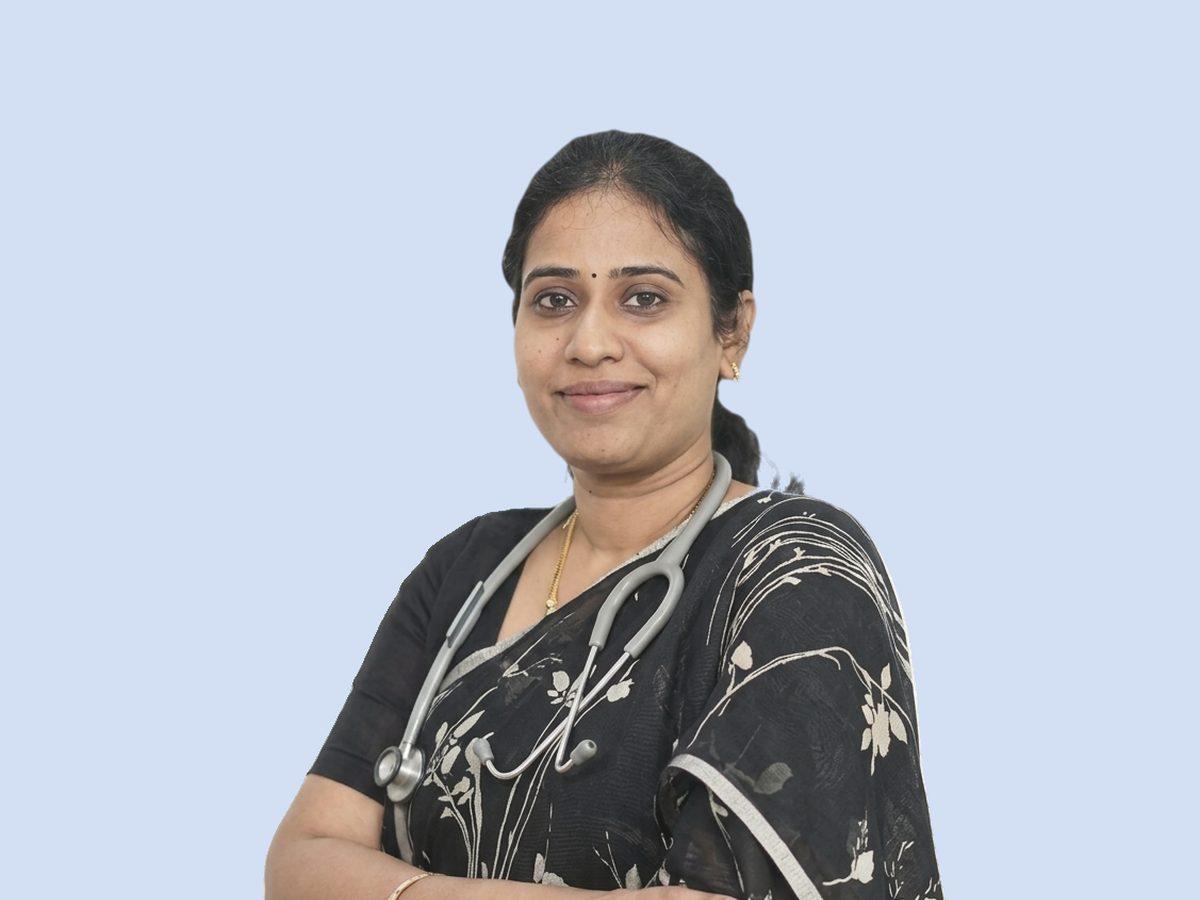
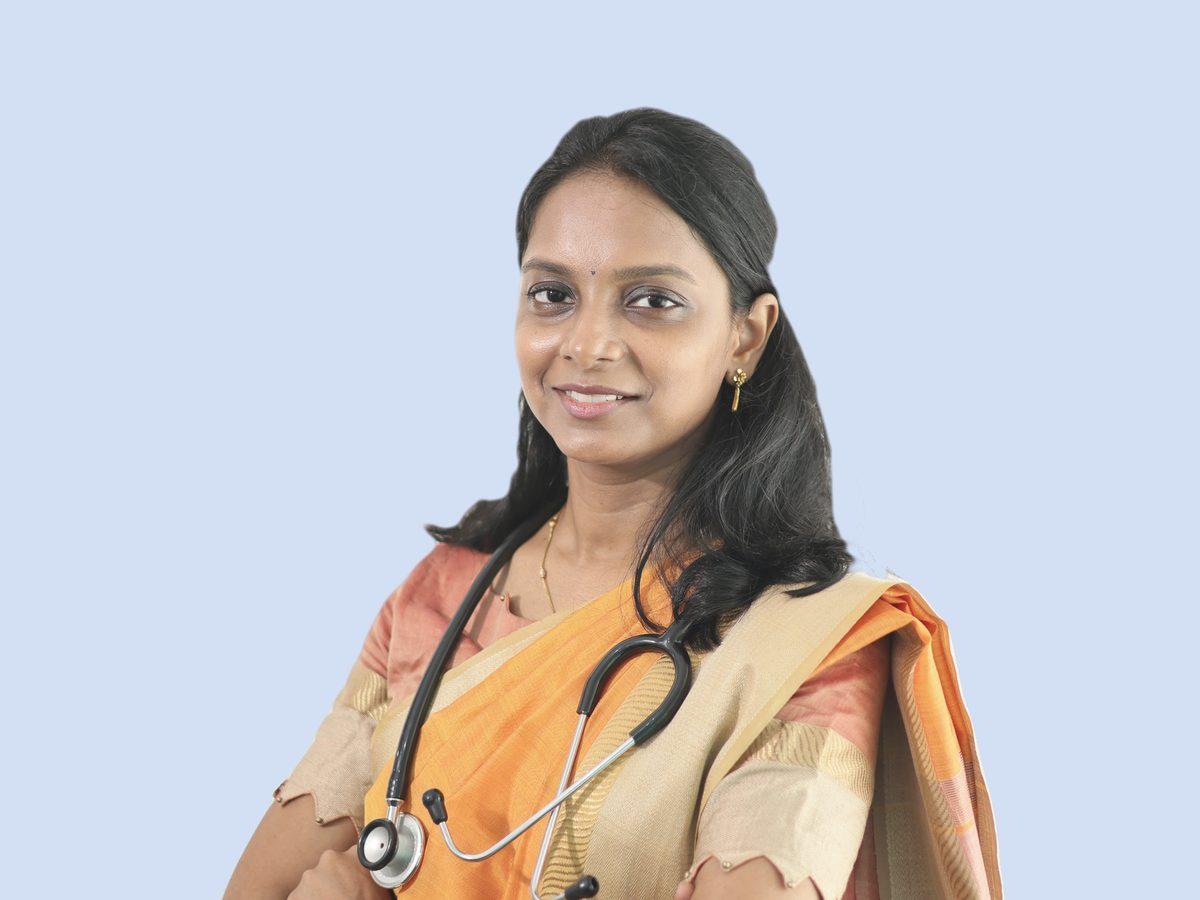
- Yes. Dr. R. Suganya, Dr. Hemalatha and Dr. Divya Subramani are the obstetrics and gynaecology consultants. Call +91 91761 00016 or message on WhatsApp to request an appointment.
- Does the hospital handle high-risk pregnancies and deliveries?
- Yes. The team provides antenatal care, normal and high-risk delivery support, and the hospital has an operation theatre, a NICU and a 24/7 emergency department on the same campus.
- Is there a clinic just for women's health?
- Yes. HMC Women's Clinic, on Thanthai Periyar Street, East Coast Road, Neelankarai, offers women's care and infertility services and is associated with Healtree Hospital.
- Which gynaecological conditions are treated?
- Common conditions include PCOS or PCOD, menstrual disorders, fibroids, ovarian cysts and infertility. Laparoscopic and hysteroscopic procedures are available.
- Is painless delivery available?
- Yes. Pain relief in labour, including an epidural where suitable, is available on request. Your obstetrician will talk through the options during birth planning.
- When should I first see a doctor in pregnancy?
- As soon as you have a positive pregnancy test, ideally before 10 weeks. See a doctor before you try to conceive if you have diabetes, high blood pressure, thyroid disease or a past pregnancy problem.
- Is there a NICU if my baby needs extra care?
- Yes. A 24/7 Neonatal ICU is on the same campus as the labour ward, so a baby who needs extra care stays close to the mother.
- When is laparoscopic surgery advised?
- For fibroids, ovarian cysts, endometriosis, hysterectomy, sterilisation and to look for causes of pain or infertility. Keyhole surgery usually means less pain and a shorter hospital stay.
- Does insurance cover delivery and gynaecology surgery?
- The hospital works with most major insurers and TPAs for cashless and reimbursement claims. Maternity cover and waiting periods depend on your policy, so the insurance desk will check it with you.
Have a question about Obstetrics & Gynaecology?
Our team can help you find the right consultant and a convenient time.