-
-
2/614 A, Philips Street, ECR,
Neelankarai,Chennai-600115

Neurology in Neelankarai for Expert Diagnosis and Treatment of Brain, Spine and Nerve Disorders
Frequent headaches, persistent dizziness, numbness, tingling sensations, unexplained muscle weakness, memory changes, tremors, or seizures should never be ignored. While these symptoms may sometimes have simple causes, they can also be early signs of conditions affecting the brain, spinal cord, or nervous system. Seeking neurological care at the right time helps identify the underlying cause, supports timely treatment, and reduces the risk of long-term complications.
At Heal Tree Hospital, we understand that neurological conditions can affect every aspect of daily life from movement and balance to memory, speech, and independence. Our Neurology Department provides individualized care that combines clinical expertise, advanced neurological evaluation, and long-term support to help patients achieve better neurological health.
Quick Answer
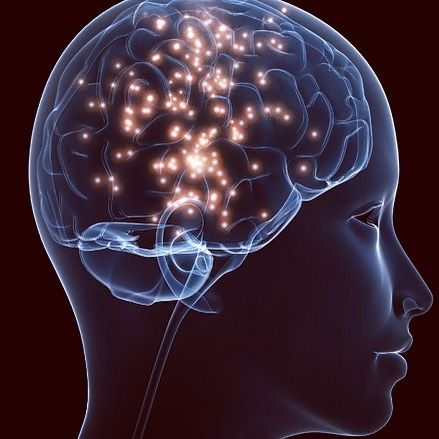
Neurology is the medical specialty that focuses on diagnosing, treating, and managing disorders affecting the brain, spinal cord, nerves, and muscles. At Heal Tree Hospital in Neelankarai, our Neurology Department provides expert care for stroke, migraine, epilepsy, Parkinson's disease, peripheral neuropathy, memory disorders, and other neurological conditions through personalized, evidence-based treatment.
Could Your Symptoms Be Related to a Neurological Condition?
The nervous system controls everything from movement and sensation to memory, speech, balance, and coordination. When it is affected, even simple everyday activities can become challenging. Symptoms that persist, recur frequently, or gradually worsen should not be dismissed, as they may indicate an underlying neurological disorder requiring specialist evaluation.
A neurological assessment may be recommended if you experience:


Recognizing these symptoms early allows timely diagnosis and improves the chances of effective treatment.
When Should You Consult a Neurologist?
Some neurological symptoms improve on their own, while others require specialist evaluation to prevent complications or disease progression. If your symptoms interfere with your daily routine, continue despite treatment, or become more frequent, consulting a neurologist can help identify the exact cause and guide appropriate care.
You should consider seeing a neurologist if you have:
Early consultation often leads to more effective treatment and better long-term neurological outcomes.
Which Neurological Symptoms Need Immediate Medical Attention?
Certain neurological symptoms can develop suddenly and may indicate a medical emergency. Receiving immediate medical care can significantly reduce the risk of permanent brain or nerve damage.
Seek emergency medical attention if you experience:
Prompt medical intervention is especially important, as these symptoms may indicate a stroke or another serious neurological emergency.
Which Neurological Conditions Do We Diagnose and Manage?
Our Neurology Department provides expert evaluation and long-term management for a wide range of disorders affecting the brain, spinal cord, nerves, and muscles.
Brain Disorders
Nerve Disorders
Movement Disorders
Memory & Cognitive Disorders
Neuromuscular & Spine-Related Disorders
Every neurological condition affects individuals differently. Understanding the cause of your symptoms is the first step toward effective treatment. In the following sections, you'll learn how neurological disorders are evaluated, the tests used to assess brain and nerve function, available treatment options, and practical ways to protect your neurological health throughout every stage of life.
Why Is Early Neurological Evaluation Important?
Many neurological disorders develop gradually, making early symptoms easy to overlook. Identifying neurological conditions at an early stage allows timely treatment, helps slow disease progression where possible, and supports better long-term brain and nerve function. Even symptoms that seem minor can sometimes be the first indication of an underlying neurological condition.
Early neurological evaluation can help:
- Identify the underlying cause of unexplained neurological symptoms
- Begin treatment before the condition progresses
- Reduce the risk of permanent nerve or brain damage
- Improve symptom control and daily functioning
- Support better long-term neurological outcomes
- Enhance quality of life through timely intervention
Seeking medical advice early can make a meaningful difference in managing many neurological conditions.
How Are Neurological Disorders Evaluated?
Neurological disorders often affect multiple parts of the nervous system, making a detailed clinical evaluation essential for an accurate diagnosis. Your neurologist carefully assesses your symptoms, medical history, reflexes, muscle strength, coordination, sensation, balance, and cognitive function before recommending further investigations if needed.
Your neurological evaluation may include:
- Detailed medical history and symptom assessment
- Comprehensive neurological examination
- Assessment of muscle strength and reflexes
- Evaluation of balance, coordination, and gait
- Memory, speech, and cognitive assessment
- Sensory function testing
- Additional neurological investigations when clinically indicated
Every evaluation is tailored to your symptoms to ensure an accurate diagnosis and appropriate treatment plan.
What Tests Help Identify Brain and Nerve Disorders?
Advanced neurological investigations help confirm the diagnosis, determine the extent of the condition, and guide appropriate treatment. The type of investigation recommended depends on your symptoms and clinical findings.
Common neurological investigations include:
- MRI Scan of the brain or spine
- CT Scan
- Electroencephalogram (EEG)
- Electromyography (EMG)
- Nerve Conduction Study (NCV)
- Blood tests for neurological and metabolic disorders
- Lumbar puncture (Spinal tap), when clinically indicated
Only the investigations necessary for your condition will be recommended after a thorough neurological evaluation.
Can Neurological Disorders Be Managed Without Surgery?
Yes. Many neurological conditions can be effectively managed without surgery. Most disorders are treated through medications, lifestyle modifications, rehabilitation, and long-term neurological care aimed at controlling symptoms, improving function, and maintaining independence.
Non-surgical management may include:
- Medications to control neurological symptoms
- Physiotherapy and neurological rehabilitation
- Occupational therapy
- Speech and language therapy, when required
- Lifestyle modifications and risk factor management
- Regular neurological monitoring and follow-up
Treatment is always personalized according to your diagnosis, symptoms, age, and overall health.
What Treatment Options Are Available for Neurological Disorders?
Treatment depends on the specific neurological condition, its severity, and how it affects your daily life. The goal is to relieve symptoms, improve function, slow disease progression where possible, and help patients maintain the best possible quality of life.
Depending on your condition, treatment may include:
- Medical management with neurological medications
- Migraine and headache management
- Epilepsy treatment and seizure control
- Stroke rehabilitation and long-term follow-up
- Parkinson's disease management
- Neuropathy management
- Multidisciplinary rehabilitation programmes
Your neurologist will recommend a treatment plan that is tailored to your condition, treatment goals, and long-term neurological health.
How Can You Support Your Brain and Nervous System Health?
Healthy lifestyle choices play an important role in maintaining brain function and reducing the risk of certain neurological disorders. While not every neurological condition can be prevented, adopting healthy habits can support cognitive function, nerve health, and overall well-being.
Simple habits that support neurological health include:
- Control blood pressure, blood sugar, and cholesterol
- Stay physically and mentally active
- Eat a balanced, nutrient-rich diet
- Get adequate sleep every night
- Avoid smoking and excessive alcohol consumption
- Manage stress effectively
- Seek medical evaluation for persistent neurological symptoms
Taking care of your brain and nervous system today can contribute to better neurological health in the years ahead.
What Happens If Neurological Disorders Are Left Untreated?
Delaying treatment for a neurological disorder can allow symptoms to progress and may affect your mobility, memory, communication, independence, and overall quality of life. While the progression varies depending on the condition, early diagnosis and appropriate treatment often help achieve better long-term outcomes.
Untreated neurological disorders may lead to:
- Progressive weakness or loss of muscle function
- Difficulty walking or maintaining balance
- Persistent nerve pain or numbness
- Worsening memory and cognitive function
- Increased frequency of seizures or neurological episodes
- Reduced independence in daily activities
- Permanent neurological damage in certain conditions
Seeking timely neurological care can help manage symptoms more effectively and reduce the risk of long-term complications.
Common Neurological Conditions
Understanding common neurological disorders helps you recognize symptoms early and seek appropriate medical care before they begin affecting your daily life.
Are Frequent Headaches Always a Migraine?
No. While migraines are a common cause of recurring headaches, not every headache is a migraine. Headaches may also result from tension, sinus problems, infections, high blood pressure, or other neurological conditions. Identifying the underlying cause is essential for effective treatment.
Consult a neurologist if your headaches:
- Become more frequent or severe
- Last longer than usual
- Interfere with daily activities
- Are associated with nausea or vision changes
- Occur with weakness, confusion, or speech difficulties
Persistent or unusual headaches should always be medically evaluated.
What Causes Numbness and Tingling?
Numbness and tingling can occur when nerves are irritated, compressed, or damaged. Although these sensations are sometimes temporary, persistent or recurrent symptoms may indicate an underlying neurological disorder that requires evaluation.
Common causes include:
- Peripheral neuropathy
- Nerve compression
- Vitamin deficiencies
- Diabetes-related nerve damage
- Stroke or transient neurological events
- Certain neurological disorders
Early evaluation helps identify the cause and guide appropriate treatment.
When Is Dizziness a Neurological Problem?
Dizziness is a common symptom that may arise from several medical conditions, including neurological disorders. If dizziness is persistent, recurrent, or associated with other neurological symptoms, it should be evaluated by a neurologist.
Medical assessment is recommended if dizziness occurs with:
- Difficulty maintaining balance
- Double vision
- Weakness or numbness
- Difficulty speaking
- Frequent falls
- Severe or persistent headaches
Identifying the underlying cause is important for effective treatment and preventing future complications.
What Are the Early Signs of a Stroke?
A stroke occurs when blood flow to part of the brain is interrupted, making immediate medical attention essential. Recognizing the warning signs and acting quickly can significantly improve recovery and reduce the risk of permanent disability.
Seek emergency medical care if you notice:
- Sudden weakness or numbness on one side of the body
- Facial drooping
- Slurred or difficult speech
- Sudden loss of vision
- Loss of balance or coordination
- Sudden severe headache without a known cause
Every minute matters during a stroke. Prompt treatment can save brain function and improve outcomes.
Can Memory Loss Be a Sign of a Neurological Disorder?
Occasional forgetfulness is a normal part of life, but persistent or progressive memory problems should not be ignored. Memory changes that interfere with work, daily routines, or relationships may indicate an underlying neurological condition requiring specialist evaluation.
You should seek assessment if memory problems are accompanied by:
- Difficulty remembering recent events
- Repeatedly asking the same questions
- Trouble finding familiar places
- Difficulty performing routine tasks
- Changes in judgment or behaviour
- Increasing confusion over time
Early assessment helps identify the cause and allows appropriate treatment and long-term management.
What Is Epilepsy?
Epilepsy is a neurological disorder that causes recurrent seizures due to abnormal electrical activity in the brain. A single seizure does not always mean epilepsy, which is why a detailed neurological evaluation is important to determine the underlying cause and recommend appropriate treatment.
Common signs of epilepsy may include:
- Recurrent seizures
- Temporary loss of awareness or consciousness
- Uncontrolled jerking movements of the arms or legs
- Sudden staring spells
- Brief periods of confusion after an episode
- Unusual sensations or involuntary movements before a seizure
With early diagnosis and appropriate medication, many people with epilepsy can successfully control seizures and lead active, independent lives.
What Is Parkinson's Disease?
Parkinson's disease is a progressive neurological disorder that affects movement, balance, and muscle control. Symptoms usually develop gradually and may become more noticeable over time, making early diagnosis important for effective symptom management.
Common symptoms include:
- Tremors, especially while resting
- Slowness of movement
- Muscle stiffness
- Difficulty maintaining balance
- Changes in handwriting or facial expressions
- Reduced coordination during daily activities
Although Parkinson's disease cannot currently be cured, early treatment can help manage symptoms, improve mobility, and enhance quality of life.
What Is Peripheral Neuropathy?
Peripheral neuropathy occurs when the peripheral nerves become damaged, affecting communication between the brain, spinal cord, and the rest of the body. It commonly affects the hands and feet and may develop due to diabetes, infections, nutritional deficiencies, or other medical conditions.
Symptoms may include:
- Numbness or tingling in the hands or feet
- Burning or shooting nerve pain
- Muscle weakness
- Increased sensitivity to touch
- Difficulty with balance or walking
- Reduced sensation in the affected areas
Early diagnosis helps identify the underlying cause and allows treatment to prevent further nerve damage.
Why Choose Heal Tree Hospital for Neurology?
Neurological conditions often require careful evaluation, accurate diagnosis, and long-term medical support. At Heal Tree Hospital, our Neurology Department is committed to providing individualized neurological care that helps patients manage symptoms, maintain independence, and improve their quality of life. We combine experienced clinical expertise with a patient-focused approach to deliver comprehensive neurological care for patients across Neelankarai, ECR, and nearby communities.
Why patients choose Heal Tree Hospital
- Experienced neurologists managing a wide range of neurological disorders
- Advanced neurological evaluation and diagnostic support
- Personalized treatment plans tailored to individual needs
- Comprehensive care for brain, spine, muscle, and nerve disorders
- Multidisciplinary rehabilitation support when required
- Long-term monitoring and follow-up for chronic neurological conditions
- Compassionate, patient-centred neurological care
- Trusted healthcare provider serving the community since 2009
Supporting Better Brain and Nervous System Health
Your brain and nervous system play a vital role in every movement, thought, sensation, and memory. At Heal Tree Hospital, our Neurology Department is dedicated to delivering accurate diagnosis, individualized treatment, and compassionate long-term care for a wide range of neurological conditions. Whether you're experiencing new neurological symptoms or managing an existing disorder, our team is committed to helping you achieve better neurological health and an improved quality of life.
Frequently Asked Questions
Find answers to common questions about neurological symptoms, headaches, memory concerns, stroke warning signs, and when to see a neurologist.
Schedule Your Neurology Consultation
If you're experiencing persistent headaches, dizziness, numbness, seizures, memory changes, tremors, or other neurological symptoms, early evaluation can make a significant difference. Book a consultation with the Neurology specialists at Heal Tree Hospital for expert assessment, personalized treatment, and ongoing neurological care tailored to your individual needs.
Since 2009, Heal Tree Hospital has provided trusted specialist care for individuals and families across Neelankarai, ECR, and nearby communities. Our Neurology Department is here to support your brain and nervous system health at every stage.