-
-
2/614 A, Philips Street, ECR,
Neelankarai,Chennai-600115

Pediatric Surgery in Neelankarai for Safe, Advanced, and Child-Centred Surgical Care
Every parent wants to know their child is in safe hands. A swelling near the groin, persistent abdominal pain, repeated vomiting, a condition present since birth, or an injury that requires surgical attention can naturally raise concerns. Does my child need surgery? Is it the right time to consult a pediatric surgeon? Early evaluation helps identify the condition accurately, allowing timely treatment that supports your child's health, comfort, and overall development.
At Heal Tree Hospital, our Pediatric Surgery department provides specialized surgical care for newborns, infants, children, and adolescents. Our experienced pediatric surgeons focus on accurate diagnosis, evidence-based treatment, advanced surgical techniques, and compassionate care to deliver safe and personalized treatment for every child.

Quick answer
Pediatric Surgery is a specialized medical field that focuses on diagnosing and treating surgical conditions affecting newborns, infants, children, and adolescents. At Heal Tree Hospital in Neelankarai, our pediatric surgeons provide comprehensive evaluation, child-friendly surgical care, minimally invasive procedures whenever appropriate, and personalized follow-up for a wide range of congenital, abdominal, urological, and emergency surgical conditions.
How Can a Pediatric Surgeon Help Your Child?
A pediatric surgeon specializes in treating surgical conditions that affect children while considering their age, growth, and developmental needs. Every child receives an individualized evaluation to determine the most appropriate treatment, helping parents make informed decisions with confidence.
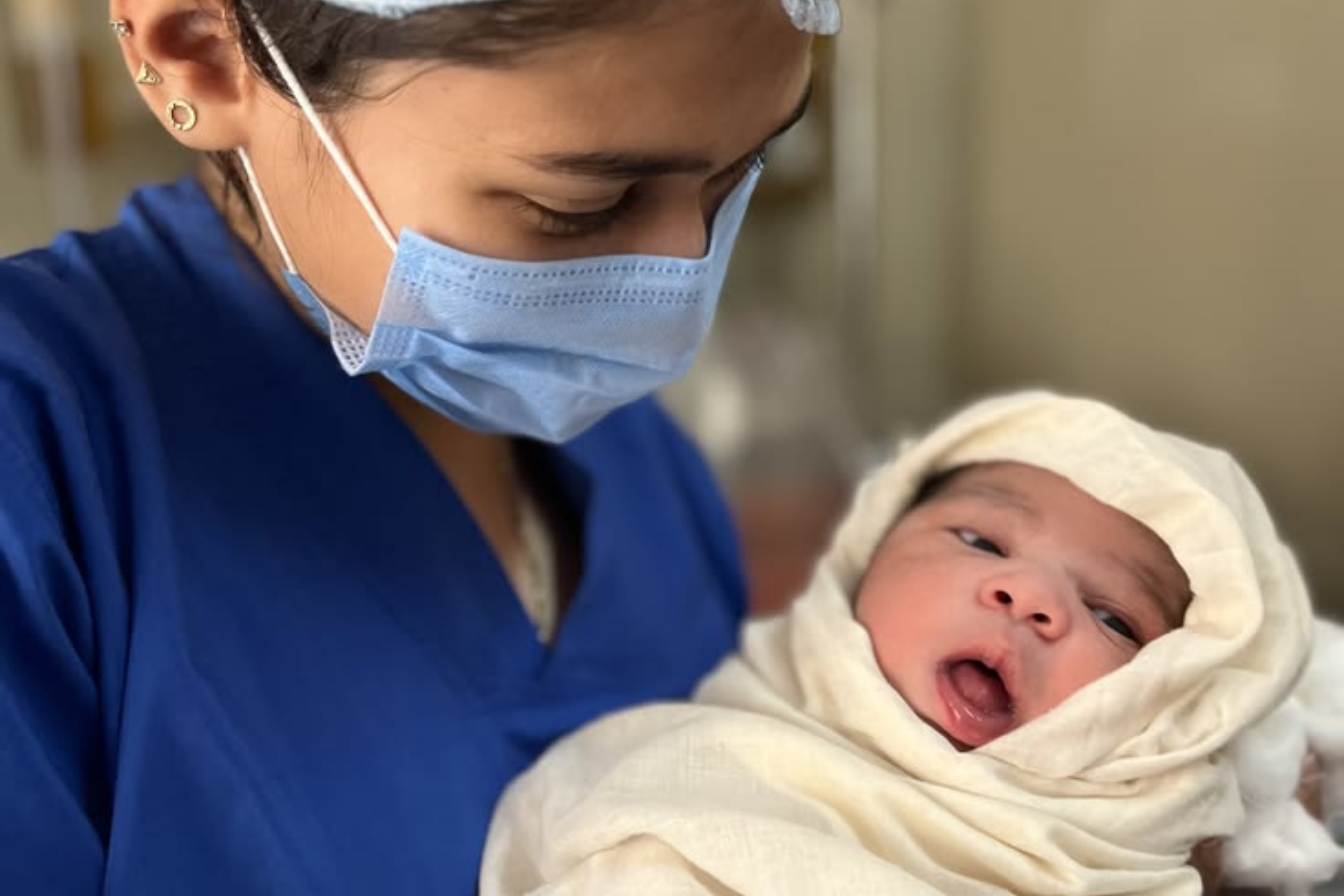

Our pediatric surgical care includes:
Does My Child Need to See a Pediatric Surgeon?
Not every childhood health concern requires surgery, but certain conditions should be evaluated by a pediatric surgeon to determine the most appropriate treatment. A consultation helps parents understand the diagnosis, explore available treatment options, and decide whether surgery, observation, or continued medical care is the best approach.
Your child should be evaluated if they:
Early consultation allows timely diagnosis and helps ensure your child receives the right care at the right stage.
What Are the Most Common Pediatric Surgical Conditions?
Children may develop a variety of surgical conditions during infancy, childhood, or adolescence. Some are present at birth, while others develop as children grow. Early diagnosis and appropriate treatment help reduce complications and support healthy growth and development.
Congenital Conditions
Hernias & Abdominal Conditions
Urological Conditions
Soft Tissue Conditions
Pediatric Surgical Emergencies
Each condition requires an individual assessment to determine the most appropriate treatment. In the following sections, we'll explain these conditions, their symptoms, available treatment options, and when surgical intervention may be recommended.
What Are the Common Signs That Need a Pediatric Surgical Evaluation?
Some childhood conditions may require evaluation by a pediatric surgeon, especially when symptoms persist, worsen, or do not improve with routine medical care.
Recognizing these signs early helps ensure timely diagnosis and appropriate treatment while reducing the risk of complications.
Parents should seek a pediatric surgical evaluation if their child experiences:
Prompt medical evaluation helps identify the underlying condition and determine the most appropriate treatment for your child.
What Is the Difference Between a Pediatric Surgeon and a General Surgeon?
Although both perform surgical procedures, a pediatric surgeon is specially trained to diagnose and treat surgical conditions in newborns, infants, children, and adolescents.
Children's bodies continue to grow and develop, requiring specialized surgical techniques, child-friendly care, and treatment plans designed specifically for their age and developmental needs.
| Pediatric Surgeon | General Surgeon |
|---|---|
| Specializes in newborns, infants, children, and adolescents | Primarily treats adults |
| Treats congenital and childhood surgical conditions | Treats common adult surgical disorders |
| Uses child-specific surgical techniques | Uses standard adult surgical approaches |
| Focuses on growth, development, and long-term outcomes | Focuses mainly on adult surgical care |
| Provides family-centred care with parental guidance | Primarily communicates with adult patients |
Choosing a pediatric surgeon ensures your child receives surgical care that is specifically tailored to their unique physical and developmental needs.
Is Surgery Safe for Infants and Young Children?
Yes. surgery is generally safe when performed by experienced pediatric surgeons using modern surgical techniques, child-specific anesthesia, and comprehensive perioperative care.
Every child is carefully evaluated before surgery to ensure the safest and most appropriate treatment approach.
Pediatric surgical safety is supported through:
- Detailed pre-operative evaluation
- Child-specific anesthesia planning
- Advanced surgical techniques and equipment
- Continuous monitoring during and after surgery
- Individualized post-operative care
- Regular follow-up to monitor recovery
Before recommending surgery, your pediatric surgeon will explain the diagnosis, discuss available treatment options, and answer your questions so you can make informed decisions with confidence.
How Is a Pediatric Surgical Condition Diagnosed?
Accurate diagnosis is the first step in planning safe and effective treatment. Your pediatric surgeon will evaluate your child's symptoms, medical history, physical examination findings, and overall health before recommending any investigations.
Depending on your child's condition, the evaluation may include:
- Detailed clinical examination
- Review of medical history and previous reports
- Ultrasound scan
- Blood investigations
- X-ray, when clinically required
- CT scan or MRI for selected conditions
- Urine tests or other specialized investigations, when necessary
Not every child requires the same investigations. Your pediatric surgeon will recommend only the tests that are appropriate for your child's individual condition.
What Treatment Options Are Available for Pediatric Surgical Conditions?
Treatment depends on your child's diagnosis, age, symptoms, and overall health. Not every pediatric surgical condition requires immediate surgery, and some conditions can be managed with observation or planned treatment based on clinical evaluation.
Your child's treatment plan may include:
- Regular observation and follow-up
- Medication and supportive medical care
- Elective (planned) surgical procedures
- Laparoscopic (minimally invasive) surgery whenever appropriate
- Emergency surgery for urgent conditions
- Post-operative care and long-term follow-up
Every treatment plan is individualized to provide safe, effective, and child-centred surgical care while supporting healthy growth and development.
What Is Laparoscopic (Minimally Invasive) Surgery in Children?
Laparoscopic surgery is an advanced surgical technique that uses small incisions and specialized instruments to perform certain procedures with greater precision. For suitable pediatric conditions, this approach may reduce post-operative discomfort, minimize scarring, and support faster recovery compared to traditional open surgery.
Potential benefits of laparoscopic surgery include:
- Smaller incisions
- Reduced post-operative pain
- Minimal scarring
- Faster recovery
- Shorter hospital stay for suitable procedures
- Earlier return to normal daily activities
The choice between laparoscopic and open surgery depends on your child's diagnosis, age, and overall medical condition. Your pediatric surgeon will recommend the most appropriate surgical approach after a thorough clinical evaluation.
How Can I Prepare My Child for Surgery?
Preparing your child before surgery can help reduce anxiety, improve comfort, and support a smoother recovery.
Following your pediatric surgeon's instructions before the procedure helps ensure your child is well prepared for safe and successful surgical care.
Before surgery, parents are usually advised to:
- Follow the fasting instructions provided by your doctor
- Inform the surgeon about your child's medications, allergies, or existing medical conditions
- Carry previous medical records, laboratory reports, and scan results
- Dress your child in comfortable clothing on the day of surgery
- Talk to your child in a calm and reassuring way about the procedure
- Follow all pre-operative instructions given by the healthcare team
Good preparation helps both parents and children feel more confident while ensuring the surgical team can provide the safest possible care.
What Happens During Your Child's First Surgical Consultation?
The first consultation is an opportunity to understand your child's condition, discuss your concerns, and determine the most appropriate treatment plan.
Your pediatric surgeon will carefully evaluate your child's symptoms before recommending the next steps.
During the consultation, you can expect:
- Discussion about your child's symptoms and medical history
- Physical examination and clinical assessment
- Review of previous medical reports and investigations
- Additional diagnostic tests, if required
- Clear explanation of the diagnosis and treatment options
- Guidance on surgery, recovery, and follow-up care, if needed
Bringing previous prescriptions, laboratory reports, scan results, and vaccination records (where relevant) can help provide a better understanding of your child's medical history.
What Happens If Pediatric Surgical Conditions Are Left Untreated?
Some pediatric surgical conditions may worsen over time if they are not evaluated or treated appropriately.
While not every condition requires immediate surgery, delaying medical attention may increase the risk of complications and make treatment more complex.
Depending on the condition, delayed treatment may lead to:
- Increased pain or discomfort
- Enlargement of hernias or swellings
- Recurrent infections
- Bowel or urinary complications
- Delayed growth and normal development in certain congenital conditions
- Higher risk of emergency surgical intervention
Early diagnosis and timely treatment help improve recovery, reduce complications, and support your child's long-term health and well-being.
How Long Does Recovery Take After Pediatric Surgery?
Recovery varies depending on your child's age, overall health, and the type of surgical procedure performed.
Many children recover quickly with appropriate post-operative care, while more complex procedures may require additional monitoring and follow-up.
Recovery may involve:
- Pain management as advised by the surgeon
- Wound care and hygiene instructions
- Gradual return to normal eating and daily activities
- Follow-up visits to monitor healing
- Activity restrictions for a short period, when necessary
Your pediatric surgeon will provide personalized recovery instructions to help your child heal safely and comfortably.
What Care Is Needed After Your Child's Surgery?
Post-operative care plays an important role in your child's recovery.
Following your surgeon's advice helps promote healing, reduce the risk of complications, and support a safe return to normal activities.
After surgery, parents should:
- Give medications exactly as prescribed
- Keep the surgical wound clean and dry
- Encourage adequate fluids and a balanced diet, as recommended
- Avoid strenuous activities until your child is medically cleared
- Attend all scheduled follow-up appointments
- Contact your doctor if your child develops fever, excessive pain, unusual swelling, bleeding, or wound discharge
Careful post-operative monitoring and regular follow-up help ensure your child recovers safely and achieves the best possible surgical outcome.
What Care Is Needed After Your Child's Surgery?
Post-operative care plays an important role in your child's recovery.
Following your surgeon's advice helps promote healing, reduce the risk of complications, and support a safe return to normal activities.
After surgery, parents should:
- Give medications exactly as prescribed
- Keep the surgical wound clean and dry
- Encourage adequate fluids and a balanced diet, as recommended
- Avoid strenuous activities until your child is medically cleared
- Attend all scheduled follow-up appointments
- Contact your doctor if your child develops fever, excessive pain, unusual swelling, bleeding, or wound discharge
Careful post-operative monitoring and regular follow-up help ensure your child recovers safely and achieves the best possible surgical outcome.
Common Pediatric Surgical Conditions
The following are some of the most common conditions evaluated and treated by pediatric surgeons. Understanding these conditions helps parents recognize early signs, seek timely medical advice, and make informed decisions about their child's care. In the following sections, each condition is explained in detail, including its symptoms, treatment options, and when surgery may be recommended.
Does Every Child with an Inguinal Hernia Need Surgery?
An inguinal hernia occurs when a part of the intestine or abdominal tissue pushes through a weak area in the groin.
Unlike some conditions that improve with age, an inguinal hernia in children usually does not heal on its own and typically requires surgical repair to prevent complications.
Common signs include:
- A visible swelling in the groin or scrotum
- Swelling that becomes more noticeable when crying or coughing
- Pain or discomfort in older children
- Sudden swelling that becomes painful or cannot be pushed back requires immediate medical attention
Early surgical treatment helps prevent complications such as incarceration or strangulation of the hernia.
What Is Undescended Testis (Cryptorchidism), and Why Does Early Treatment Matter?
Undescended testis is a condition in which one or both testicles do not move into the scrotum before birth.
Early diagnosis and treatment are important to support normal development and reduce the risk of future complications.
Parents should seek medical evaluation if:
- One or both testicles are not visible in the scrotum
- The condition persists beyond the age recommended by the pediatric surgeon
- There is swelling or discomfort in the groin
Treatment is usually planned based on your child's age and clinical evaluation.
Can a Hydrocele Go Away Without Surgery?
A hydrocele is a collection of fluid around the testicle that causes swelling of the scrotum.
In many infants, a hydrocele may resolve naturally during the first year of life. However, persistent or enlarging hydroceles may require surgical treatment.
Medical evaluation is recommended if:
- The swelling continues beyond infancy
- The swelling increases in size
- Your child experiences pain or discomfort
- The hydrocele is associated with an inguinal hernia
Your pediatric surgeon will determine whether observation or surgery is the most appropriate option.
When Is Circumcision Medically Recommended for Children?
Circumcision is not always medically necessary. It may be recommended when a child has specific medical conditions that affect normal function or cause recurrent infections.
Circumcision may be advised for:
- Severe or recurrent phimosis
- Repeated urinary tract infections in selected cases
- Recurrent inflammation of the foreskin
- Certain congenital penile conditions, as advised by the surgeon
The decision is based on your child's symptoms, examination findings, and overall medical condition.
What Are the Symptoms of Appendicitis in Children?
Appendicitis is one of the most common surgical emergencies in children and requires prompt medical attention.
Common symptoms include:
- Sudden abdominal pain, usually starting around the navel and moving to the lower right side
- Loss of appetite
- Nausea or vomiting
- Fever
- Pain that worsens while walking or coughing
If appendicitis is suspected, immediate medical evaluation is recommended.
What Are Congenital Anomalies, and How Are They Treated?
Congenital anomalies are structural conditions that develop before birth and may affect different parts of a child's body.
Some conditions require surgery soon after birth, while others are treated later depending on the child's growth and overall health.
Examples include:
- Anorectal malformations
- Congenital abdominal wall defects
- Congenital neck masses
- Selected gastrointestinal abnormalities
Treatment is individualized based on the type and severity of the condition.
Does Every Child with Phimosis Need Surgery?
No. Many young children naturally have a tight foreskin that improves with growth and does not require surgery.
Surgical treatment is considered only when phimosis causes persistent symptoms or medical complications.
Your child should be evaluated if they have:
- Pain while passing urine
- Recurrent foreskin infections
- Ballooning of the foreskin during urination with associated symptoms
- Persistent phimosis that does not improve with appropriate medical management
Your pediatric surgeon will recommend the most appropriate treatment based on your child's condition.
What Is Pyloric Stenosis, and What Are Its Warning Signs?
Pyloric stenosis is a condition seen in young infants where the muscle at the outlet of the stomach becomes thickened, preventing food from passing into the intestine.
It requires prompt diagnosis and surgical treatment.
Warning signs include:
- Forceful vomiting after feeding
- Frequent hunger after vomiting
- Poor weight gain
- Signs of dehydration
- Early treatment usually provides excellent outcomes.
What Is an Anorectal Malformation, and How Is It Treated?
Anorectal malformation is a congenital condition in which the anus or rectum does not develop normally before birth.
It is usually identified soon after delivery and requires evaluation by a pediatric surgeon.
Warning signs include:
- The type of malformation
- Your child's overall health
- Associated congenital conditions
- The timing and stage of surgical correction
With timely diagnosis, appropriate surgery, and regular follow-up, many children achieve good long-term functional outcomes.
Why Parents Trust Heal Tree Hospital for Pediatric Surgery
Since 2009, Heal Tree Hospital has been providing trusted pediatric surgical care for newborns, infants, children, and adolescents across Neelankarai, ECR, and nearby communities. Our experienced team combines evidence-based treatment, advanced surgical techniques, and compassionate care to support the best possible outcomes for every child.
Why families choose Heal Tree Hospital
- Experienced pediatric surgical team
- Child-friendly and family-centred approach
- Personalized treatment plans for every child
- Advanced surgical and diagnostic facilities
- Minimally invasive surgical expertise whenever appropriate
- Comprehensive pre-operative and post-operative care
- Multidisciplinary support with pediatric specialists
- Trusted healthcare provider serving the community since 2009
Meet Our Specialist

Dr. VIJAYA BASKAR.P
M.B.B.S., M.D., D.C.H.,
Dr.S. FOUZIYA SULTANA
M.B.B.S.,MD(PAEDIATRICS),PGPN(BOSTON UNIVERSITY)
Dr. Samutirika Devi
MBBS., M.D.(PAEDIATRICS)Frequently Asked Questions
Find answers to common questions about Pediatric Surgery healthcare.
Committed to Your Child's Health and Well-being
Every child deserves timely diagnosis, safe surgical care, and compassionate medical support. At Heal Tree Hospital, our Pediatric Surgery team is committed to providing evidence-based treatment, personalized care, and advanced surgical solutions for newborns, infants, children, and adolescents. Whether your child requires evaluation for a congenital condition, a common pediatric surgical condition, or emergency surgical care, we are dedicated to delivering the right treatment at the right time to support a safe recovery and healthy future.
Schedule Your Child's Pediatric Surgery Consultation
If your child requires a pediatric surgical evaluation or treatment, early consultation can help ensure timely diagnosis and appropriate care. Book an appointment with the Pediatric Surgery team at Heal Tree Hospital for expert, child-centred surgical care tailored to your child's individual needs.
Choose Your Color
You can easily change and switch the colors.