-
-
2/614 A, Philips Street, ECR,
Neelankarai,Chennai-600115

Dermatology in Neelankarai for Expert Skin And Hair Care
Your skin is your body's largest organ and often provides the first signs that something isn't right. Whether you're dealing with persistent acne, an itchy rash, unexplained pigmentation, recurring fungal infections, sudden hair loss, or unusual nail changes, these concerns deserve proper medical attention. While some conditions are temporary, others may be linked to allergies, infections, hormonal changes, autoimmune disorders, or underlying health conditions. Early diagnosis helps identify the cause, relieve symptoms, prevent complications, and restore healthy skin.
At Heal Tree Hospital, our Dermatology Department combines clinical expertise with personalized care to diagnose and treat a wide range of dermatological conditions. Our goal is not only to treat visible symptoms but also to identify the underlying cause and provide long-term solutions that support healthier skin and overall well-being.
Quick answer
Dermatology is the medical specialty dedicated to the prevention, diagnosis, and treatment of diseases affecting the skin, hair, scalp, and nails. At Heal Tree Hospital in Neelankarai, our dermatologists provide expert care for acne, eczema, psoriasis, skin allergies, fungal infections, pigmentation disorders, hair loss, nail disorders, and other dermatological conditions through evidence-based, personalized treatment.
Why Is My Skin Changing?
Your skin changes throughout life, but persistent changes should never be ignored. Rashes, acne, discoloration, itching, dryness, or unusual growths can develop due to infections, allergies, hormonal changes, environmental exposure, immune disorders, or internal medical conditions. Understanding the cause is the first step toward choosing the right treatment.
Skin changes may be caused by:
A dermatologist evaluates both the visible symptoms and their underlying cause to recommend the most appropriate treatment.
What Skin Problems Shouldn't Be Ignored?
Many skin conditions begin with mild symptoms that gradually worsen over time. Seeking medical advice early can help prevent complications, reduce discomfort, and improve treatment outcomes.
A dermatological evaluation is recommended if you notice:
Not every skin change is serious, but persistent or unusual symptoms should always be professionally evaluated.
What Skin Conditions Do Dermatologists Commonly Treat?
Dermatologists diagnose and manage a wide range of medical conditions affecting the skin. From common infections to chronic inflammatory diseases, early treatment helps relieve symptoms and supports healthier skin.
Inflammatory Skin Disorders
Skin Infections
Pigmentation Disorders
Other Dermatological Conditions
Why Do Some Skin Conditions Keep Coming Back?
Many skin conditions return because the underlying trigger hasn't been identified or fully managed. While symptoms may temporarily improve, recurring flare-ups are common when factors such as allergies, fungal infections, hormonal changes, immune disorders, or lifestyle habits continue to affect the skin.
Common reasons for recurring skin problems include:
- Incomplete treatment of previous infections
- Repeated exposure to allergens or irritants
- Hormonal fluctuations
- Excessive sweating and humidity
- Weakened immune response
- Chronic medical conditions such as diabetes
- Stress and inadequate sleep
- Poor skincare habits
Treating the root cause—not just the visible symptoms—is essential for long-term skin health.
What Can Trigger Skin Problems?
Healthy skin is constantly exposed to internal and external factors that can trigger irritation, inflammation, infections, or allergic reactions. Identifying these triggers helps reduce flare-ups and improves treatment outcomes.
Common triggers include:
- Environmental pollution
- Excessive sun exposure
- Allergens such as dust, pollen, or cosmetics
- Heat and humidity
- Hormonal changes
- Emotional stress
- Certain medications
- Nutritional deficiencies
Your dermatologist will evaluate these factors along with your symptoms to develop a treatment plan tailored to your condition.
How Do Dermatologists Identify the Cause of a Skin Condition?
Many skin conditions can look similar, even though they have different causes. A dermatologist carefully evaluates your skin, reviews your medical history, and performs a detailed examination to determine the exact diagnosis before recommending treatment.
Your evaluation may include:
- Clinical examination of the affected skin
- Review of your symptoms and medical history
- Assessment of previous skin treatments
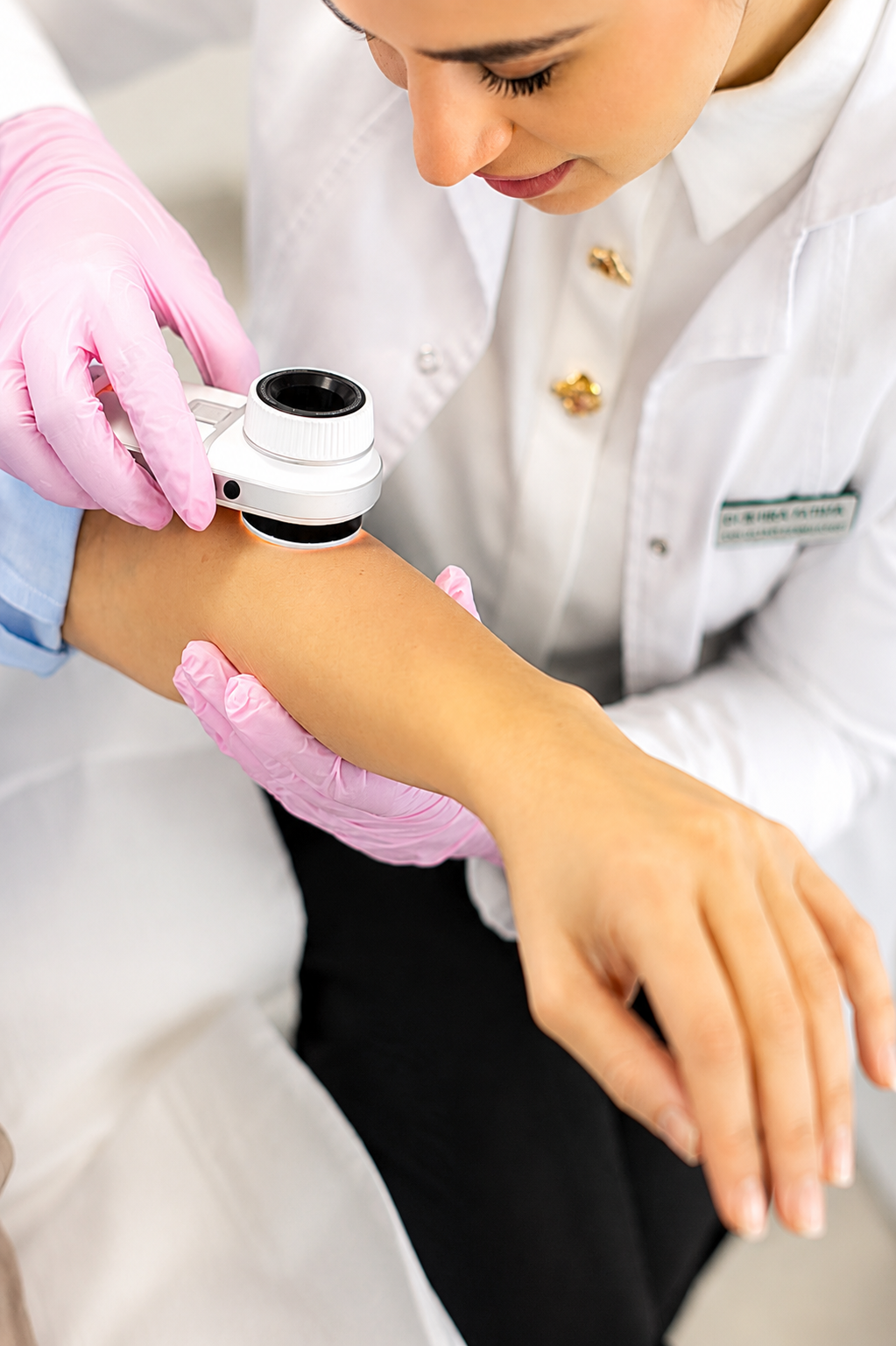
- Dermoscopy, when appropriate
- Skin biopsy, if clinically required
- Allergy or laboratory tests when necessary
An accurate diagnosis helps ensure you receive the most effective treatment while avoiding unnecessary medications or procedures.
Can Most Skin Conditions Be Managed Without Procedures?
Yes. Many skin conditions can be successfully managed with medications, medical skincare, and lifestyle modifications without requiring procedures. The treatment recommended depends on the underlying cause, severity, and duration of your condition.
Treatment may include:
- Prescription creams or ointments
- Oral medications
- Medicated shampoos for scalp disorders
- Moisturizing and skin barrier repair therapies
- Allergy management
- Lifestyle and skincare recommendations
- Regular follow-up for chronic skin conditions
Your dermatologist will recommend procedures only when they provide additional benefits or are medically appropriate.
How Can You Build a Healthy Daily Skincare Routine?
A consistent skincare routine plays an important role in maintaining healthy skin and reducing the risk of common skin problems. Good skincare supports the skin barrier, protects against environmental damage, and complements medical treatment when needed.
Healthy skincare habits include:
- Cleanse your skin gently using products suitable for your skin type
- Apply a moisturizer regularly to maintain skin hydration
- Use sunscreen with adequate SPF every day
- Avoid harsh products that irritate your skin
- Stay well hydrated and eat a balanced diet
- Avoid picking acne or scratching itchy skin
- Consult a dermatologist instead of self-medicating for persistent skin problems
Healthy daily habits, combined with professional dermatological care when needed, can help keep your skin healthy, resilient, and better protected over time.
Why Does Acne Keep Coming Back?
Recurring acne is often a sign that the underlying cause has not been fully addressed. Hormonal changes, excess oil production, clogged pores, bacteria, stress, certain cosmetics, and lifestyle factors can all contribute to repeated breakouts. Simply treating individual pimples may not prevent new ones from developing.
Acne flare-ups are commonly associated with:
- Hormonal fluctuations
- Excess sebum (oil) production
- Blocked pores
- Acne-causing bacteria
- Stress and lack of sleep
- Certain skincare or cosmetic products
Early dermatological treatment helps control acne, reduce inflammation, and minimize the risk of permanent acne scars.
What Causes Hair Loss?
Hair loss can occur due to genetics, hormonal changes, nutritional deficiencies, medical conditions, stress, or scalp disorders. While losing some hair daily is normal, excessive or persistent hair fall should be evaluated to identify the underlying cause.
Common causes of hair loss include:
- Hereditary hair loss
- Hormonal imbalances
- Iron or vitamin deficiencies
- Thyroid disorders
- Stress-related hair shedding
- Scalp infections
- Autoimmune hair disorders
Early diagnosis improves the chances of managing hair loss effectively and preserving healthy hair growth.
Why Does My Skin Feel Itchy?
Persistent itching is a symptom rather than a disease and may result from various skin or medical conditions. Although occasional itching is common, ongoing or severe itching should be evaluated, especially if it is accompanied by a rash or skin changes.
Itchy skin may be caused by:
- Dry skin
- Allergic reactions
- Eczema
- Psoriasis
- Fungal infections
- Insect bites
- Certain systemic medical conditions
Identifying the underlying cause allows targeted treatment and long-term symptom relief.
What Causes Skin Pigmentation?
Skin pigmentation develops when melanin production becomes uneven, leading to darker or lighter patches on the skin. Pigmentation changes may occur gradually or appear after inflammation, hormonal changes, or prolonged sun exposure.
Common causes include:
- Sun exposure
- Hormonal changes
- Melasma
- Post-inflammatory pigmentation
- Certain medications
- Skin injuries or inflammation
Dermatological evaluation helps determine the cause and the most suitable treatment approach.
Why Do Fungal Skin Infections Keep Coming Back?
Recurring fungal infections often occur when the infection is not completely eliminated or when conditions continue to promote fungal growth. Warm climates, excessive sweating, diabetes, and weakened immunity can all increase the likelihood of recurrence.
The risk of recurrent fungal infections increases with:
- Excessive sweating
- Wearing tight or damp clothing
- Poorly controlled diabetes
- Weakened immune system
- Sharing personal items
- Incomplete treatment
Following the full course of treatment and maintaining good skin hygiene can significantly reduce the risk of recurrence.
When Should You Be Concerned About a Mole?
Most moles are harmless, but changes in a mole's appearance should always be assessed by a dermatologist. Early evaluation is important because some skin cancers can initially resemble an ordinary mole.
Seek medical advice if a mole:
- Changes in size, shape, or colour
- Has uneven or irregular borders
- Bleeds or develops a crust
- Becomes itchy or painful
- Looks noticeably different from your other moles
Regular skin examinations help detect suspicious skin changes early and support timely treatment.
Why Choose Heal Tree Hospital for Dermatology?
Healthy skin is essential for your comfort, confidence, and overall well-being. At Heal Tree Hospital, our Dermatology Department provides patient-centred care for a wide range of skin, hair, and nail conditions through accurate diagnosis, evidence-based treatment, and individualized care plans. Whether you're seeking treatment for a common skin concern or a chronic dermatological condition, our goal is to help you achieve healthier skin and lasting results.
Why patients choose Heal Tree Hospital
- Experienced dermatologists with expertise in managing diverse skin conditions
- Personalized treatment plans based on your skin type and diagnosis
- Comprehensive care for children, adults, and older adults
- Advanced evaluation for skin, hair, and nail disorders
- Evidence-based medical and procedural dermatology services
- Focus on long-term skin health and prevention
- Compassionate care with continuous follow-up support
- Trusted healthcare provider serving the community since 2009
Meet Our Specialist

Dr. Benedit Regi
M.B.B.S, MD(DERM)., DCHFrequently Asked Questions
Healthy Skin Begins with Early Care
Your skin reflects both your external environment and your overall health. Addressing skin concerns early not only improves appearance but also helps prevent complications and supports long-term skin health. At Heal Tree Hospital, our Dermatology Department is committed to providing expert evaluation, personalized treatment, and ongoing care for a wide range of skin conditions, helping you achieve healthier skin with confidence.
Schedule Your Dermatology Consultation
If you're experiencing persistent skin problems, unexplained hair loss, recurring scalp concerns, nail changes, or other dermatological symptoms, don't wait for them to worsen. Book a consultation with the Dermatology specialists at Heal Tree Hospital for expert diagnosis, personalized treatment, and comprehensive care tailored to your skin health.