-
-
2/614 A, Philips Street, ECR,
Neelankarai,Chennai-600115

Cardiology in Neelankarai for Comprehensive Heart Care and Preventive Cardiac Services
Your heart works every second to supply oxygen and nutrients throughout your body, yet many heart conditions develop gradually without noticeable symptoms. By the time warning signs appear, the condition may already require medical attention. Whether you're experiencing chest discomfort, shortness of breath, irregular heartbeat, high blood pressure, high cholesterol, or have a family history of heart disease, seeking timely cardiac evaluation can help detect problems early and reduce the risk of serious complications.
At Heal Tree Hospital, our Cardiology Department provides comprehensive heart care for patients across Neelankarai, ECR, Injambakkam, Palavakkam, Kottivakkam, Akkarai, Uthandi, and nearby communities. From preventive heart screening and risk assessment to the diagnosis and long-term management of cardiovascular diseases, our experienced cardiologists are committed to helping you maintain a healthier heart through personalized, evidence-based care.

Quick answer
Cardiology is the medical specialty dedicated to the prevention, diagnosis, treatment, and long-term management of diseases affecting the heart and blood vessels. At Heal Tree Hospital in Neelankarai, our cardiologists provide comprehensive care for high blood pressure, coronary artery disease, heart rhythm disorders, heart failure, and other cardiovascular conditions, helping patients protect their heart health and reduce the risk of future complications.
Is Your Heart Trying to Tell You Something?
Many heart conditions begin with subtle symptoms that are often mistaken for tiredness, stress, aging, or indigestion. Recognizing these early warning signs and seeking medical advice at the right time can help prevent serious heart problems and improve treatment outcomes.

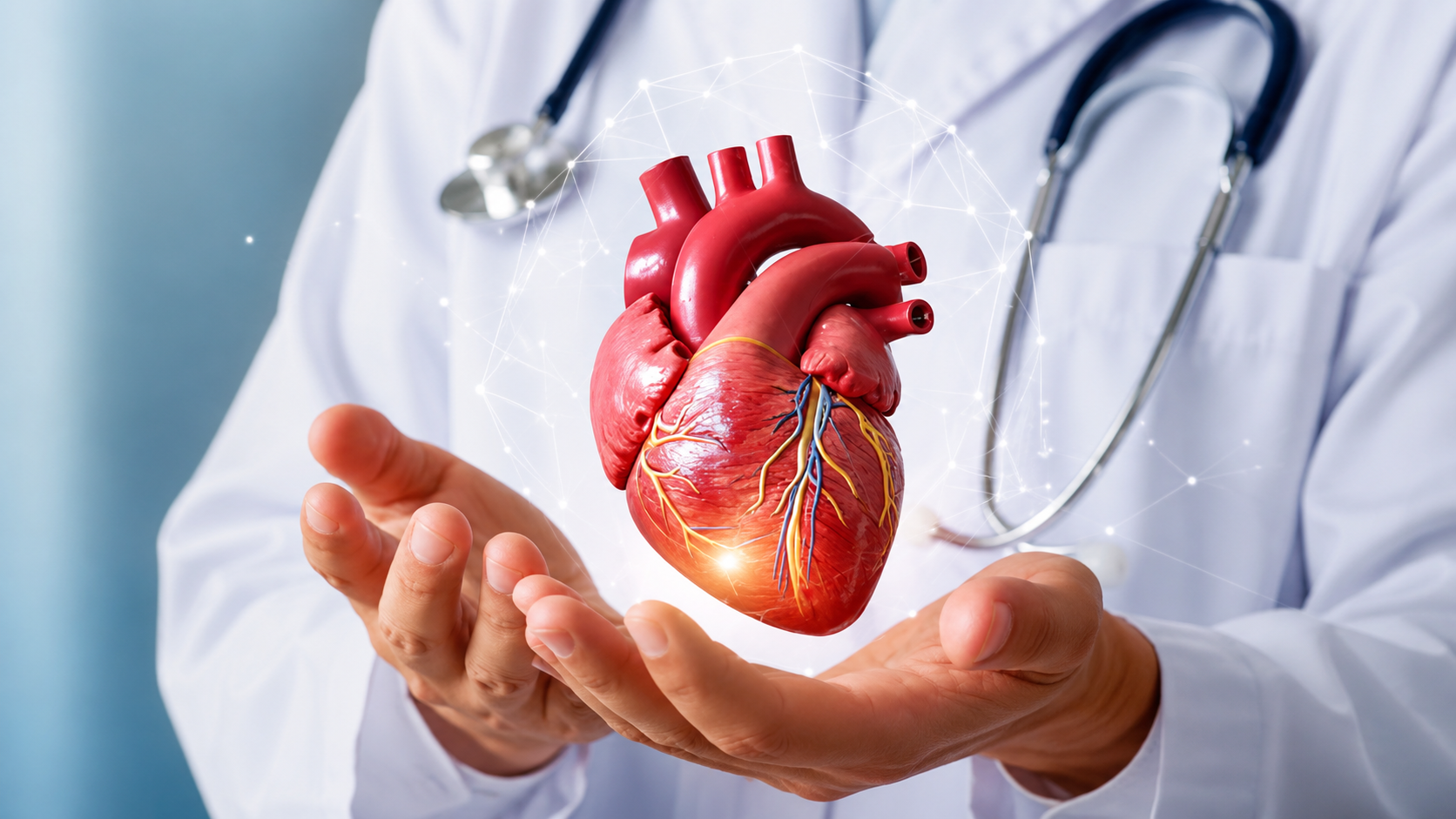
Consider a cardiac evaluation if you experience:
Even mild symptoms should not be ignored if they continue or occur repeatedly.
Who Should Consider a Heart Health Check-up?
Regular heart check-ups are important not only for people with existing heart disease but also for those who may have an increased risk of developing cardiovascular conditions. Early screening helps identify hidden risk factors before they lead to serious complications.
A heart health assessment is especially recommended if you:
Routine cardiac screening allows early diagnosis, timely intervention, and better long-term heart health.
When Should You See a Cardiologist Instead of a General Physician?
A general physician can evaluate many common health concerns, but certain symptoms and medical conditions require specialized cardiac assessment. Consulting a cardiologist ensures a detailed evaluation of your heart health and helps determine the most appropriate treatment when cardiovascular disease is suspected.
You should consider seeing a cardiologist if you have:
Early specialist consultation can help reduce the risk of future cardiac complications through appropriate evaluation and treatment.
Which Heart Conditions Do Cardiologists Commonly Manage?
Our Cardiology Department provides comprehensive care for a wide range of heart and circulatory conditions, helping patients maintain better cardiovascular health through early diagnosis, medical management, and ongoing monitoring.
Coronary Artery Conditions
Blood Pressure & Vascular Conditions
Heart Rhythm Disorders
Heart Muscle & Valve Disorders
Preventive Cardiology
What Increases Your Risk of Heart Disease?
Heart disease can affect anyone, but certain lifestyle habits, medical conditions, and family history can significantly increase the risk. Understanding these risk factors allows you to make informed decisions, adopt healthier habits, and seek timely medical care before complications develop.
You may have a higher risk of heart disease if you:
- Have high blood pressure
- Have diabetes
- Have high cholesterol
- Smoke or use tobacco products
- Are overweight or physically inactive
- Have a family history of heart disease
- Experience ongoing stress or poor sleep
- Follow an unhealthy diet high in salt, sugar, or saturated fats
Managing these risk factors early can help protect your heart and improve your long-term cardiovascular health.
Can Heart Disease Be Prevented?
Many heart diseases are preventable through healthy lifestyle choices and regular medical care. Although some risk factors, such as age and family history, cannot be changed, controlling modifiable risk factors can greatly reduce the likelihood of developing cardiovascular disease.
Simple steps that support heart health include:
- Maintaining healthy blood pressure and cholesterol levels
- Keeping diabetes under good control
- Eating a balanced, heart-healthy diet
- Exercising regularly
- Avoiding smoking and limiting alcohol consumption
- Maintaining a healthy body weight
- Scheduling regular heart health check-ups
Prevention remains one of the most effective ways to reduce the risk of heart attack, stroke, and other cardiovascular diseases.
What Tests Help To Assess Your Heart Health?
Heart tests help evaluate how well your heart is functioning and assist in identifying cardiovascular conditions at an early stage. Based on your symptoms, medical history, and risk factors, your cardiologist will recommend only the investigations that are appropriate for your condition.
Common cardiac investigations include:
- Electrocardiogram (ECG)
- 2D Echocardiogram (2D Echo)
- Treadmill Test (TMT)
- Holter Monitoring
- Blood Pressure Monitoring
- Cholesterol and Blood Sugar Tests
- CT Coronary Angiography or Coronary Angiography, when clinically indicated
These investigations help your cardiologist make an accurate diagnosis and develop the most suitable treatment plan.
How Heart Conditions Are Treated?
Treatment depends on the type of heart condition, its severity, and your overall health. Many cardiovascular diseases can be successfully managed with medication and lifestyle changes, while some patients may require specialized cardiac procedures for better long-term outcomes.
Treatment options may include:
- Lifestyle and dietary modifications
- Medications for blood pressure, cholesterol, and heart rhythm control
- Diabetes management to reduce cardiovascular risk
- Regular heart monitoring and follow-up
- Cardiac rehabilitation
- Advanced cardiac procedures when medically necessary
Every treatment plan is personalized to improve heart function, control symptoms, and reduce the risk of future complications.
When are Advanced Cardiac Procedures Recommended?
Advanced cardiac procedures are recommended only when they provide the safest and most effective treatment for a specific heart condition. Your cardiologist will carefully evaluate your symptoms, diagnostic findings, and overall health before suggesting any intervention.
A procedure may be considered for:
- Significant blockage of the coronary arteries
- Persistent chest pain due to reduced blood flow
- Certain heart rhythm disorders
- Severe heart valve disease
- Structural abnormalities affecting heart function
- Selected cases of advanced heart failure
Your cardiologist will clearly explain the benefits, risks, and available treatment options before recommending any cardiac procedure.
How Can You Keep Your Heart Healthy for Life?
Taking care of your heart is a lifelong commitment, and even small daily habits can make a meaningful difference. A healthy lifestyle not only lowers the risk of heart disease but also supports overall physical and mental well-being.
Healthy habits for a stronger heart include:
- Stay physically active most days of the week
- Choose a balanced diet rich in fruits, vegetables, and whole grains
- Maintain a healthy weight
- Get adequate sleep every night
- Manage stress effectively
- Avoid smoking and limit alcohol consumption
- Monitor your heart health through regular medical check-ups
Building these habits into your daily routine can help you maintain a healthier heart and enjoy a better quality of life for years to come.
What Can You Expect During Your First Cardiology Consultation?
Your first cardiology consultation is focused on understanding your heart health, identifying possible risk factors, and creating a personalized care plan. It is an opportunity to discuss your concerns, review your medical history, and determine whether further evaluation or treatment is needed.
During your consultation, your cardiologist will:
- Discuss your symptoms and medical history
- Review your family history of heart disease
- Measure your blood pressure and perform a physical examination
- Review previous ECGs, laboratory reports, or cardiac investigations
- Recommend additional heart tests if required
- Explain your diagnosis and discuss the most appropriate treatment plan
A comprehensive cardiac assessment helps detect heart conditions early and supports informed decisions about your long-term cardiovascular health.
What Happens If Heart Disease Is Left Untreated?
Heart disease often progresses gradually, and delaying treatment can increase the risk of serious, life-threatening complications. Many cardiovascular conditions can be effectively managed when detected early, making regular evaluation essential for protecting your long-term heart health.
Untreated heart conditions may lead to:
- Heart attack
- Heart failure
- Stroke
- Irregular heart rhythms (Arrhythmias)
- Reduced blood flow to vital organs
- Permanent damage to the heart muscle
- Sudden cardiac emergencies
Early diagnosis and appropriate treatment can help reduce these risks and improve long-term cardiovascular outcomes.
Why Is Regular Heart Screening Important?
Many heart conditions develop without obvious symptoms, especially in their early stages. Regular heart screening helps identify hidden risk factors and detect cardiovascular diseases before they become serious, allowing timely treatment and better long-term heart health.
Heart screening is especially important if you:
- Are over 40 years of age
- Have high blood pressure or diabetes
- Have high cholesterol
- Smoke or use tobacco
- Have a family history of heart disease
- Are overweight or physically inactive
- Experience recurring chest discomfort or breathlessness
Routine screening helps detect heart problems early, supports preventive care, and lowers the risk of future complications.
Common Heart Conditions
Understanding common heart conditions can help you recognize early symptoms, seek timely medical advice, and reduce the risk of serious complications. Below are some of the most frequently managed cardiovascular conditions.
Is Every Chest Pain Related to the Heart?
No. Not all chest pain is caused by heart disease. It can also result from muscle strain, acid reflux, lung conditions, or anxiety. However, chest pain should never be ignored because it may also be a warning sign of a heart attack or another serious cardiac condition.
Seek immediate medical attention if chest pain is accompanied by:
- Shortness of breath
- Pain spreading to the arm, jaw, neck, or back
- Sweating or nausea
- Dizziness or fainting
- A feeling of pressure or tightness in the chest
A timely cardiac evaluation helps determine the exact cause and ensures appropriate treatment.
What Is High Blood Pressure and Why Does It Matter?
High blood pressure (hypertension) is one of the leading risk factors for heart disease and stroke. It often develops without noticeable symptoms but can gradually damage the heart, blood vessels, kidneys, and brain if left uncontrolled.
High blood pressure may increase the risk of:
- Heart attack
- Stroke
- Heart failure
- Kidney disease
- Vision problems
Regular monitoring and appropriate treatment help keep blood pressure under control and reduce the risk of long-term complications.
What Is Coronary Artery Disease?
Coronary Artery Disease (CAD) occurs when the arteries supplying blood to the heart become narrowed due to plaque buildup. Reduced blood flow can cause chest pain and may increase the risk of a heart attack if not treated appropriately.
Common symptoms include:
- Chest pain or pressure
- Shortness of breath
- Fatigue during physical activity
- Pain spreading to the shoulder, arm, neck, or jaw
Early diagnosis and treatment help improve blood flow and reduce the risk of future cardiac events.
What Is Heart Failure?
Heart failure does not mean the heart has stopped working. It means the heart is unable to pump blood as effectively as it should, making it difficult to meet the body's needs.
Common symptoms include:
- Breathlessness during activity or while lying down
- Swelling of the feet and ankles
- Persistent tiredness
- Reduced ability to exercise
- Rapid weight gain due to fluid retention
Early treatment helps control symptoms, improve heart function, and enhance quality of life.
What Are Heart Rhythm Disorders (Arrhythmias)?
Arrhythmias are conditions in which the heart beats too fast, too slow, or irregularly. Some rhythm disorders are harmless, while others require medical evaluation and treatment to prevent complications.
You should seek evaluation if you experience:
- Frequent palpitations
- Irregular heartbeat
- Dizziness or light-headedness
- Fainting episodes
- Unexplained fatigue
Prompt diagnosis helps identify the cause and determine the most appropriate treatment.
What Is High Cholesterol and Why Is It Important to Control?
High cholesterol occurs when excess cholesterol builds up in the blood vessels, increasing the risk of heart disease and stroke. Because it usually has no symptoms, regular screening is important for early detection.
Managing cholesterol helps:
- Reduce the risk of coronary artery disease
- Improve blood circulation
- Lower the risk of heart attack and stroke
- Support long-term cardiovascular health
Healthy eating, regular exercise, lifestyle changes, and medications when required can help maintain healthy cholesterol levels.
What Are the Early Warning Signs of a Heart Attack?
A heart attack is a medical emergency that requires immediate treatment. Recognizing the warning signs early and seeking prompt medical attention can significantly improve outcomes and reduce the risk of permanent heart damage.
Common warning signs include:
- Chest pain, pressure, or tightness
- Pain spreading to the left arm, shoulder, neck, jaw, or back
- Sudden shortness of breath
- Cold sweats
- Nausea or vomiting
- Unexplained dizziness or light-headedness
- Extreme fatigue, especially in women
If you or someone around you experiences these symptoms, seek emergency medical care immediately.
Why Choose Heal Tree Hospital for Cardiology?
Choosing the right cardiac care provider is essential for protecting your heart health. At Heal Tree Hospital, our Cardiology Department combines experienced specialists, advanced diagnostic facilities, and evidence-based treatment to deliver comprehensive heart care for patients across Neelankarai, ECR, and nearby communities. Whether you need preventive screening, ongoing heart disease management, or specialized cardiac evaluation, we are committed to providing personalized care at every stage of your heart health journey.
Why patients choose Heal Tree Hospital
- Experienced cardiologists dedicated to comprehensive heart care
- Advanced cardiac diagnostic and monitoring facilities
- Personalized treatment plans tailored to individual risk factors
- Preventive heart screening and long-term cardiac care
- Evidence-based management of heart and vascular conditions
- Multidisciplinary care for complex cardiovascular diseases
- Compassionate patient-centred approach
- Trusted healthcare provider serving the community since 2009
Meet Our Specialist

Dr. G. Bharath Kumar
M.B.B.S., MD., DNB(CARDIO), FESC.
Dr. Aakash Teja Durbesula
M.B.B.S, MD(GEN MED)., D.M(Interventional Cardiology)Frequently Asked Questions
Committed to Protecting Your Heart Health
A healthy heart is the foundation of a healthy life. At Heal Tree Hospital, our Cardiology Department is committed to providing comprehensive, evidence-based cardiac care through early diagnosis, preventive strategies, personalized treatment, and continuous heart health monitoring. Whether you're managing a known heart condition or taking proactive steps to protect your cardiovascular health, our experienced team is here to support you with compassionate and expert care.
Schedule Your Cardiology Consultation
If you're experiencing heart-related symptoms or have risk factors such as high blood pressure, diabetes, high cholesterol, or a family history of heart disease, early evaluation can make a significant difference. Book a consultation with the Cardiology team at Heal Tree Hospital for personalized heart care focused on protecting your health today and in the years ahead.