-
-
2/614 A, Philips Street, ECR,
Neelankarai,Chennai-600115

Urology in Neelankarai for Advanced Urinary Care, Kidney Stone Treatment and Prostate Health
Changes in your urinary habits can be easy to ignore, but they are often your body's way of signaling that something needs attention. Frequent urination, burning while passing urine, blood in the urine, difficulty emptying the bladder, kidney stone pain, or urinary leakage may be linked to conditions affecting the urinary tract or male reproductive system. Identifying these problems early allows timely treatment, helps prevent complications, and supports better urinary health.
At Heal Tree Hospital, our Urology Department provides personalized care for a wide range of urinary tract and male reproductive conditions. From common urinary infections and kidney stones to prostate disorders and bladder problems, our specialists focus on accurate diagnosis, individualized treatment, and helping patients regain comfort, confidence, and a better quality of life.

Quick Answer
Urology is the medical specialty that focuses on diagnosing and treating disorders affecting the urinary tract in both men and women, as well as the male reproductive system. At Heal Tree Hospital in Neelankarai, our urologists provide expert care for kidney stones, urinary tract infections, enlarged prostate, urinary incontinence, bladder disorders, and other urological conditions through evidence-based and personalized treatment.
Why Am I Having Urinary Problems?
Urinary problems can develop for many different reasons. While some are temporary and easily treated, others may indicate conditions involving the kidneys, bladder, prostate, or urinary tract that require specialist care. Understanding the underlying cause is the first step toward effective treatment.
Common causes of urinary symptoms include:
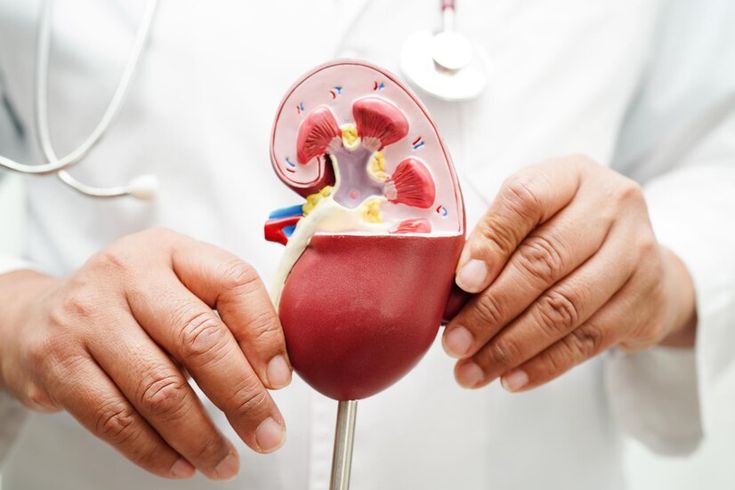
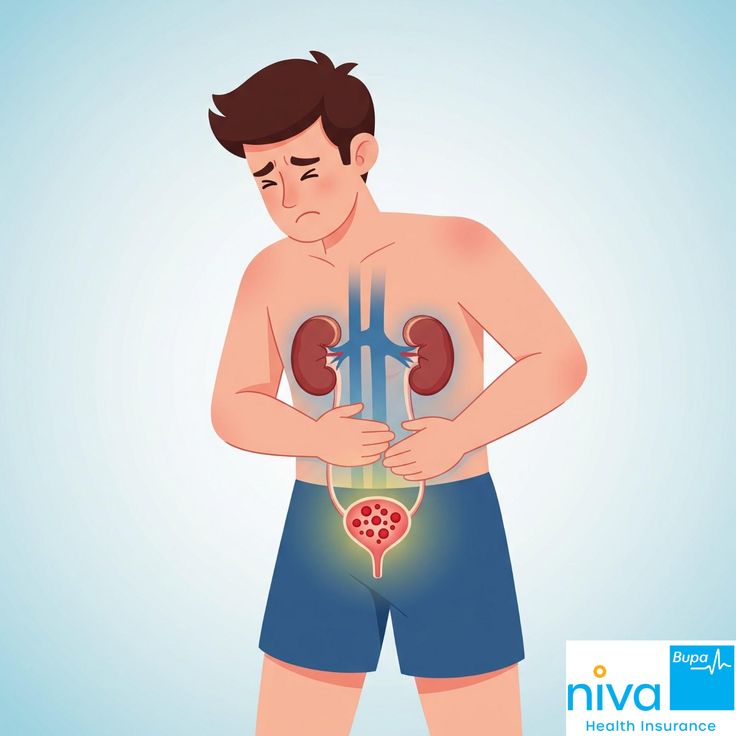
A proper urological evaluation helps identify the exact cause rather than simply treating the symptoms.
What Changes in Urination Should You Not Ignore?
Your urinary habits can provide important clues about your overall health. Persistent or unusual changes should never be ignored, especially when they interfere with your daily routine or continue for several days.
Seek a urological evaluation if you notice:
Early medical attention can help diagnose the condition before it progresses and reduce the risk of complications.
How Can Urological Conditions Affect Everyday Life?
Many urological disorders do more than cause physical discomfort—they can affect sleep, work, confidence, relationships, and overall quality of life. Symptoms such as frequent urination, urgency, or persistent pain may gradually interfere with normal daily activities if left untreated.
Urological conditions may lead to:
Early diagnosis and appropriate treatment can help relieve symptoms, restore normal urinary function, and improve quality of life.
Which Urological Conditions Require Specialist Care?
Our Urology Department evaluates and manages a wide range of conditions affecting the kidneys, bladder, urinary tract, and male reproductive system.
Kidney & Stone Disorders
Bladder & Urinary Disorders
Prostate Disorders
Male Urological Conditions
Every urological condition has different causes and treatment approaches. In the next sections, you'll learn how urologists evaluate urinary problems, what common investigations reveal, when surgery is truly necessary, and how you can maintain lifelong urinary and prostate health.
How Do Urologists Find the Cause of Urinary Problems?
Many urological conditions share similar symptoms, making an accurate diagnosis essential before starting treatment. Your urologist will evaluate your symptoms, medical history, and overall health before recommending investigations that help identify the exact cause of the problem.
Your evaluation may include:
- Discussion of your urinary symptoms and medical history
- Physical examination when required
- Assessment of urinary flow and bladder function
- Review of previous medical records and medications
- Laboratory and imaging investigations, if needed
- Individualized treatment planning based on your diagnosis
A thorough evaluation helps ensure you receive the most appropriate treatment while avoiding unnecessary procedures.
What Tests Are Commonly Used to Evaluate Urological Conditions?
Modern diagnostic tests help identify the underlying cause of urinary symptoms and guide the most appropriate treatment. Your urologist will recommend only the investigations that are necessary for your condition.
Common urological investigations include:
- Urine Routine and Urine Culture
- Blood Tests, including Kidney Function Tests
- Ultrasound of the Kidneys, Bladder, and Prostate
- Uroflowmetry (Urine Flow Test)
- PSA (Prostate-Specific Antigen) Test, when clinically indicated
- CT Scan or X-ray for suspected kidney stones
- Cystoscopy, when detailed bladder evaluation is required
These investigations help diagnose conditions accurately and support better treatment decisions.
Can Every Urological Condition Be Treated Without Surgery?
No. While many urological conditions respond well to medications, lifestyle modifications, or minimally invasive procedures, some conditions may require surgery depending on their severity and underlying cause. Your urologist will always recommend the least invasive and most effective treatment suitable for your condition.
Non-surgical treatment may include:
- Medications to relieve urinary symptoms
- Antibiotics for urinary tract infections
- Dietary and lifestyle modifications
- Increased hydration and preventive measures
- Pelvic floor exercises for selected patients
- Regular monitoring and follow-up
Surgery is generally considered only when conservative treatments are unlikely to provide adequate relief or when complications develop.
How Can You Maintain Good Urinary and Prostate Health?
Healthy daily habits can significantly reduce the risk of many common urological conditions and help maintain normal urinary function throughout life. Preventive care is especially important for people with diabetes, recurrent urinary infections, kidney stones, or prostate-related symptoms.
Simple habits that support urinary health include:
- Drink adequate water throughout the day
- Avoid delaying urination for long periods
- Practice good personal hygiene
- Maintain healthy blood sugar and blood pressure levels
- Limit excessive salt and processed foods
- Stay physically active and maintain a healthy weight
- Attend regular health check-ups, especially after the age of 50
Looking after your urinary health today can help reduce the risk of future kidney, bladder, and prostate problems.
When Is Surgery Recommended for Urological Conditions?
Surgery is recommended only when it offers the most effective solution after careful evaluation. Many patients never require surgery, while others may benefit from minimally invasive or advanced urological procedures to relieve symptoms, restore urinary function, or prevent further complications.
Surgical treatment may be considered for:
- Large or obstructing kidney stones
- Significant enlargement of the prostate causing urinary obstruction
- Persistent urinary blockage
- Certain bladder disorders
- Recurrent urinary problems that do not respond to medical treatment
- Selected congenital or structural abnormalities of the urinary tract
Your urologist will explain the available treatment options, expected outcomes, and whether surgery is the most appropriate choice for your individual condition.
Can Urological Problems Be Prevented from Returning?
Some urological conditions, such as kidney stones, urinary tract infections, and certain bladder problems, can recur if the underlying causes are not addressed. Long-term prevention focuses on lifestyle changes, regular monitoring, and managing individual risk factors.
To reduce the risk of recurrence:
- Stay well hydrated every day
- Follow dietary advice recommended for your condition
- Complete prescribed medications as directed
- Control diabetes and blood pressure effectively
- Avoid smoking and tobacco products
- Attend regular follow-up appointments
Preventive care plays an important role in maintaining long-term urinary health and reducing the likelihood of future urological problems.
What Causes Kidney Stones?
Kidney stones are hard mineral deposits that form when certain substances in the urine become concentrated and crystallize. They can vary in size and may remain in the kidney or travel through the urinary tract, causing severe pain and urinary symptoms.
Common factors that increase the risk of kidney stones include:
- Inadequate water intake
- High salt consumption
- Diets rich in oxalate or animal protein
- Family history of kidney stones
- Obesity
- Certain metabolic disorders
- Recurrent urinary tract infections
Staying well hydrated and addressing individual risk factors can help reduce the likelihood of stone formation.
Do All Kidney Stones Require Surgery?
No. Many kidney stones can pass naturally with adequate hydration, medication, and medical supervision. The need for surgery depends on the stone's size, location, symptoms, and whether it is causing blockage or infection.
Surgical or minimally invasive treatment may be recommended if:
- The stone is too large to pass naturally
- Severe pain persists despite medication
- The stone blocks urine flow
- Recurrent urinary infections occur
- Kidney function is affected
- The stone remains unchanged after conservative treatment
Your urologist will recommend the most appropriate treatment based on your individual condition.
What Is an Enlarged Prostate (BPH)?
Benign Prostatic Hyperplasia (BPH) is a non-cancerous enlargement of the prostate gland that commonly occurs with ageing. As the prostate enlarges, it can press against the urethra and interfere with the normal flow of urine.
Common symptoms include:
- Frequent urination, especially at night
- Difficulty starting urination
- Weak or interrupted urine stream
- Feeling that the bladder has not emptied completely
- Sudden urgency to urinate
- Dribbling after urination
Early evaluation helps determine the severity of the condition and identify the most suitable treatment.
What Causes Urinary Leakage (Urinary Incontinence)?
Urinary incontinence is the involuntary leakage of urine caused by weakened pelvic floor muscles, bladder dysfunction, nerve disorders, or other underlying medical conditions. It can affect both men and women and should not be considered a normal part of ageing.
Common causes include:
- Weak pelvic floor muscles
- Overactive bladder
- Enlarged prostate
- Pregnancy and childbirth
- Neurological disorders
- Certain medications
Many cases of urinary incontinence improve with lifestyle modifications, pelvic floor exercises, medication, or other appropriate treatments.
Why Choose Heal Tree Hospital for Urology?
Living with urinary symptoms can affect your comfort, confidence, and overall quality of life. At Heal Tree Hospital, our Urology Department provides patient-centred care focused on identifying the root cause of urinary problems and delivering personalized treatment that restores healthy urinary function. From common urinary conditions to more complex urological disorders, we are committed to providing compassionate care with clinical excellence.
Why patients choose Heal Tree Hospital
- Experienced urologists with expertise in managing diverse urological conditions
- Advanced diagnostic facilities for accurate evaluation
- Personalized treatment plans based on individual health needs
- Medical, minimally invasive, and surgical treatment options
- Comprehensive care for kidney, bladder, prostate, and male reproductive disorders
- Focus on preserving long-term urinary health
- Compassionate support and continuous follow-up care
- Trusted healthcare provider serving the community since 2009
Restoring Comfort and Confidence Through Expert Urological Care
Healthy urinary function is essential for comfort, confidence, and overall well-being. At Heal Tree Hospital, our Urology Department is committed to delivering accurate diagnosis, individualized treatment, and long-term care for a wide range of urological conditions. Whether you're experiencing urinary symptoms for the first time or managing an ongoing condition, our team is dedicated to helping you achieve better urinary health and an improved quality of life.
Frequently Asked Questions
Find answers to common questions about urinary health, kidney stones, prostate disorders, urology care, and when to see a specialist.
Schedule Your Urology Consultation
If you're experiencing persistent urinary symptoms, kidney stone pain, bladder problems, or prostate-related concerns, early evaluation can help prevent complications and improve treatment outcomes. Book a consultation with the Urology specialists at Heal Tree Hospital for expert assessment, personalized treatment, and comprehensive care tailored to your urinary health needs.
Since 2009, Heal Tree Hospital has provided trusted specialist care for individuals and families across Neelankarai, ECR, and nearby communities. Our Urology Department is here to support your urinary health at every stage.