-
-
2/614 A, Philips Street, ECR,
Neelankarai,Chennai-600115

Surgical Gastroenterology in Neelankarai for Advanced Digestive Surgical Care and Minimally Invasive Treatment
Digestive problems are often easy to ignore until they begin affecting your daily life. Persistent abdominal pain, recurring gallstone attacks, a hernia, difficulty swallowing, long-term acid reflux, changes in bowel habits, or unexplained digestive discomfort may indicate an underlying condition that requires more than medication alone. While many gastrointestinal disorders can be managed without surgery, some conditions need timely surgical evaluation to prevent complications and achieve lasting relief.
At Heal Tree Hospital, our Surgical Gastroenterology department specializes in the diagnosis and surgical management of diseases affecting the digestive system. Our experienced surgeons combine advanced laparoscopic techniques, evidence-based treatment, and personalized care to provide safe, effective, and patient-focused surgical solutions that support faster recovery and improved digestive health.
Quick Answer
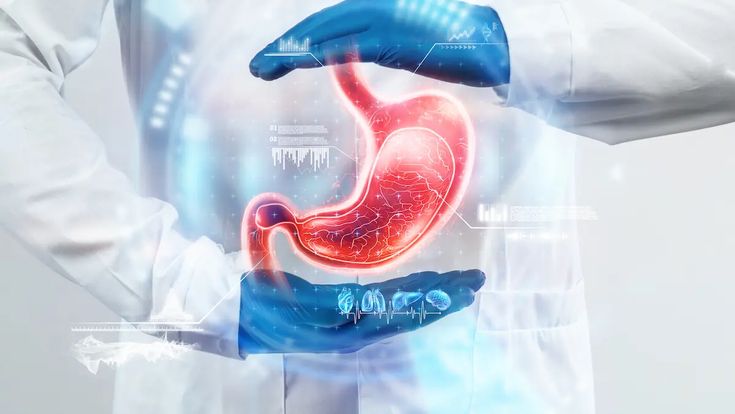
Surgical Gastroenterology is a specialized surgical discipline that focuses on diagnosing and treating diseases of the digestive system, including the esophagus, stomach, gallbladder, liver, pancreas, intestines, colon, and rectum. At Heal Tree Hospital in Neelankarai, we provide comprehensive evaluation and advanced surgical treatment, including minimally invasive procedures whenever appropriate, to help patients recover safely and improve their quality of life.
What Does a Surgical Gastroenterologist Do?
A Surgical Gastroenterologist specializes in treating digestive diseases that require surgical expertise. Beyond performing surgery, they evaluate complex gastrointestinal conditions, determine whether surgery is necessary, and recommend the most appropriate treatment based on the patient's diagnosis, symptoms, and overall health.
Our Surgical Gastroenterology services include:
When Should You Consult a Surgical Gastroenterologist?
Many digestive problems improve with medication or lifestyle changes. However, symptoms that persist, recur frequently, or begin affecting your daily activities should be evaluated by a Surgical Gastroenterologist. Early consultation helps identify the underlying condition and determine the most effective treatment before complications develop.
You should consider consulting a specialist if you have:
Could Your Digestive Symptoms Require Surgical Treatment?
Not every digestive symptom requires surgery, but certain warning signs should never be ignored. Persistent or severe symptoms may indicate conditions that require prompt evaluation by a Surgical Gastroenterologist.
Seek medical attention if you experience:
Early diagnosis helps identify serious digestive conditions before they become medical emergencies.
Which Digestive Conditions May Require Surgical Treatment?
Surgical Gastroenterology covers a broad range of disorders affecting different parts of the digestive system. The need for surgery depends on the severity of the condition, its impact on your health, and your response to non-surgical treatment.
Gallbladder Disorders
Hernias
Stomach & Intestinal Disorders
Colorectal Disorders
Liver & Pancreatic Conditions
Upper Gastrointestinal Disorders
Every digestive condition is different. The following sections explain how digestive diseases are diagnosed, when surgery is recommended, available treatment options, and what you can expect before and after your procedure.
How Are Digestive Disorders Diagnosed?
The right treatment begins with an accurate diagnosis. Before recommending surgery, a Surgical Gastroenterologist carefully identifies the exact cause of your digestive symptoms through a detailed evaluation. This helps determine whether your condition can be managed with medication, requires a minimally invasive procedure, or needs surgical treatment.
Depending on your condition, the evaluation may include:
- Detailed medical history and physical examination
- Blood investigations
- Ultrasound scan
- Upper GI Endoscopy
- Colonoscopy
- CT Scan or MRI, when required
- Biopsy for selected conditions
- Other specialized investigations based on your symptoms
Every patient is different, so only the medically necessary investigations will be recommended.
When Is Surgery Recommended for Digestive Disorders?
Surgery is considered only when it offers the safest and most effective solution for your condition. While many digestive diseases respond well to medication or lifestyle changes, surgery may be recommended when symptoms persist, complications develop, or non-surgical treatments are no longer effective.
Surgery may be advised for:
- Symptomatic gallstones
- Hernias that are painful or increasing in size
- Acute appendicitis
- Intestinal obstruction
- Certain stomach and intestinal disorders
- Selected colorectal diseases
- Benign or cancerous digestive conditions requiring surgical treatment
Your surgeon will discuss all available treatment options and recommend surgery only when it is clinically appropriate.
Can Digestive Disorders Be Treated Without Surgery?
Yes. Not every digestive condition requires surgery. Many gastrointestinal disorders can be effectively managed through medication, dietary changes, lifestyle modifications, or endoscopic procedures, especially when diagnosed early.
Depending on your diagnosis, treatment may include:
- Medication to control symptoms and treat the underlying condition
- Personalized dietary and lifestyle recommendations
- Endoscopic procedures for selected digestive disorders
- Regular monitoring and follow-up
- Laparoscopic or open surgery only when medically necessary
The treatment approach is always individualized to provide the most effective care while avoiding unnecessary surgery whenever possible.
What Is Laparoscopic (Minimally Invasive) Gastrointestinal Surgery?
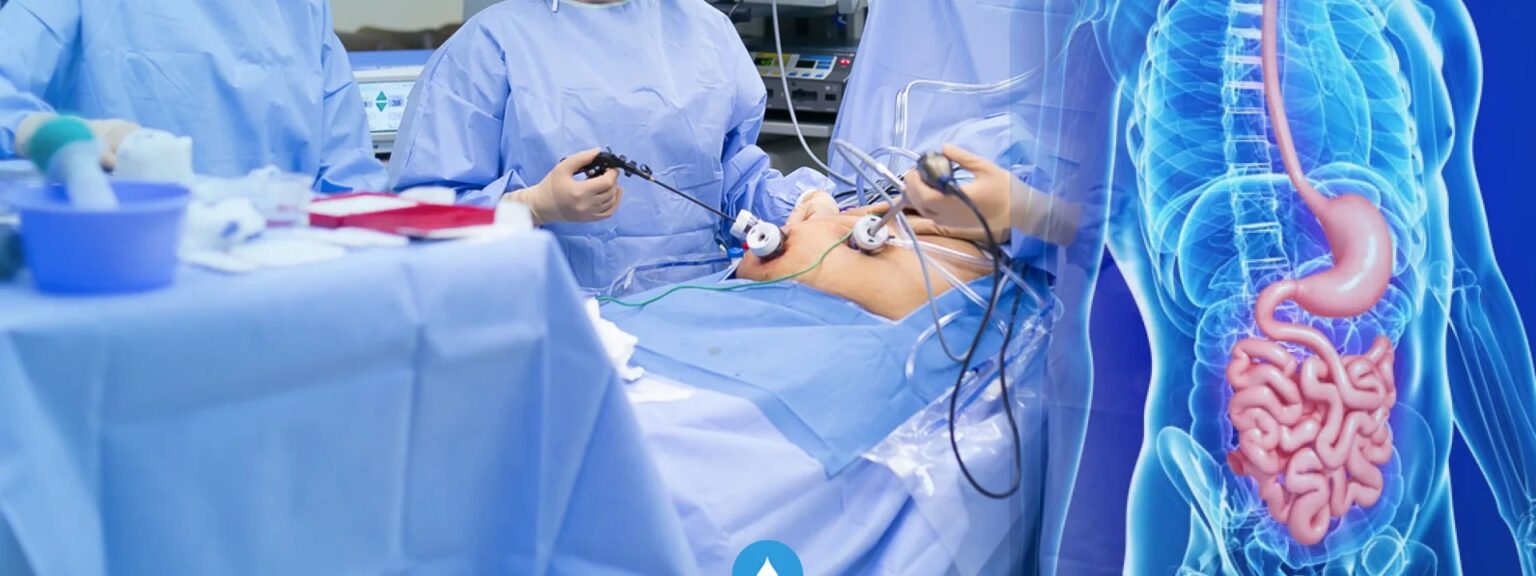
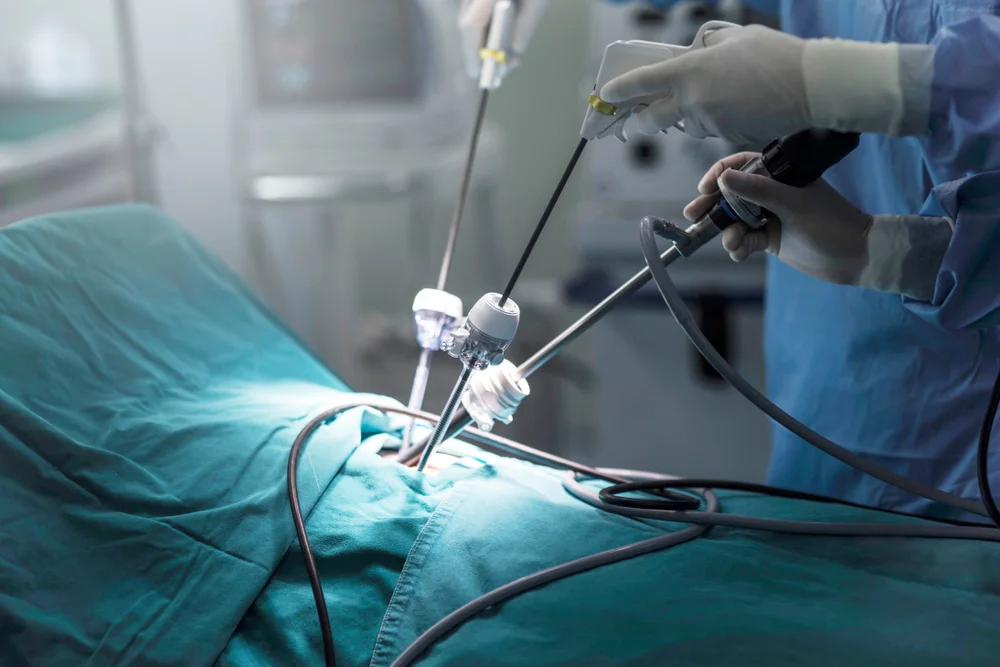
Laparoscopic surgery is an advanced technique that allows many digestive conditions to be treated through small incisions using specialized instruments and a high-definition camera. For suitable patients, it offers an effective alternative to traditional open surgery while supporting a quicker recovery.
Some of the advantages include:
- Smaller incisions
- Less post-operative pain
- Minimal scarring
- Reduced risk of wound-related complications
- Shorter hospital stay for suitable procedures
- Faster return to normal activities
Your surgeon will recommend laparoscopic surgery only if it is the safest and most appropriate option for your condition.
How Should I Prepare for Gastrointestinal Surgery?
Preparing well before surgery helps improve safety, supports a smoother procedure, and contributes to a faster recovery. Your healthcare team will provide clear instructions based on your medical condition and the planned surgery.
Before your procedure, you may be advised to:
- Follow the fasting instructions provided by your surgeon
- Inform your doctor about any medications, allergies, or existing medical conditions
- Complete the recommended blood tests and imaging investigations
- Bring previous medical records, scan reports, and endoscopy or colonoscopy reports
- Stop certain medications only if advised by your doctor
- Follow all pre-operative instructions carefully
Following these instructions helps your surgical team plan your treatment effectively and reduces unnecessary risks during surgery.
What Happens During Your First Consultation?
Your first consultation is focused on understanding your symptoms, identifying the underlying digestive condition, and discussing the most suitable treatment options. It is also an opportunity to ask questions and understand what to expect throughout your treatment journey.
During your consultation, your specialist will:
- Review your medical history and current symptoms
- Perform a detailed clinical examination
- Evaluate previous reports and diagnostic findings
- Recommend additional investigations if required
- Explain the diagnosis in clear and simple terms
- Discuss the available treatment options and expected outcomes
A well-planned consultation helps ensure that every treatment decision is based on a clear diagnosis and your individual healthcare needs.
What Happens If Digestive Disorders Are Left Untreated?
Ignoring persistent digestive symptoms can allow an underlying condition to worsen over time. While some digestive disorders can be managed conservatively, delaying diagnosis or treatment may increase the risk of complications and limit available treatment options.
Untreated digestive disorders may lead to:
- Persistent or worsening abdominal pain
- Recurrent infections or inflammation
- Intestinal obstruction
- Internal bleeding
- Nutritional deficiencies and unintended weight loss
- Reduced digestive function and quality of life
- Emergency surgical intervention in advanced cases
Seeking medical attention early allows timely treatment and helps prevent avoidable complications.
How Long Does Recovery Take After Gastrointestinal Surgery?
Recovery depends on the type of surgery performed, your overall health, and the complexity of the condition being treated. Many patients recover more quickly after minimally invasive procedures, while major surgeries may require a longer recovery period.
Your recovery may include:
- Gradual return to a normal diet
- Pain management and wound care
- Walking and light physical activity as advised
- Regular follow-up appointments
- Temporary restrictions on lifting heavy objects and strenuous activities
Your surgeon will provide a personalized recovery plan based on your procedure and overall health.
What Care Is Needed After Gastrointestinal Surgery?
Proper post-operative care is essential for a smooth recovery and helps reduce the risk of complications. Following your surgeon's instructions can support healing and improve long-term outcomes.
After surgery, you should:
- Take medications exactly as prescribed
- Keep the surgical wound clean and dry
- Follow the recommended dietary guidelines
- Stay well hydrated unless otherwise advised
- Attend all scheduled follow-up appointments
- Contact your doctor if you experience fever, increasing pain, excessive bleeding, persistent vomiting, or wound discharge
Careful follow-up helps monitor your recovery and ensures any concerns are addressed promptly.
Common Digestive Conditions That May Require Surgical Treatment
Many digestive disorders respond well to medication or lifestyle changes, while others require surgery to relieve symptoms, prevent complications, or treat serious findings. Below are some of the most common conditions managed by a Surgical Gastroenterologist.
Do Gallstones Always Need Surgery?
Not all gallstones require surgery. Gallstones that do not cause symptoms may simply be monitored. However, surgery is often recommended when gallstones lead to repeated pain, inflammation, infection, or blockage of the bile ducts.
Medical evaluation is recommended if you experience:
- Recurrent pain in the upper right abdomen
- Pain after eating fatty meals
- Fever associated with gallbladder pain
- Yellowing of the skin or eyes (jaundice)
- Nausea or vomiting with severe abdominal pain
Early treatment can help prevent serious complications and improve your quality of life.
What Is a Hernia and When Does It Need Surgery?
A hernia develops when an internal organ or tissue pushes through a weakened area of the abdominal wall or surrounding muscles. Hernias usually do not heal on their own and may gradually become larger over time.
Surgical treatment is commonly recommended if you have:
- A visible swelling in the abdomen or groin
- Pain or discomfort during physical activity
- A hernia that continues to increase in size
- Difficulty pushing the swelling back in
- Sudden severe pain or a painful swelling requiring emergency care
Timely surgical repair helps reduce the risk of serious complications.
What Is Appendicitis and Why Is Early Treatment Important?
Appendicitis is the inflammation of the appendix and requires urgent medical evaluation. If left untreated, the appendix can rupture, leading to serious infection within the abdomen.
Common symptoms include:
- Sudden pain in the lower right abdomen
- Fever
- Loss of appetite
- Nausea or vomiting
- Pain that worsens while walking or coughing
Prompt diagnosis and treatment help prevent complications and support faster recovery.
Can Acid Reflux (GERD) Be Treated with Surgery?
Most people with Gastroesophageal Reflux Disease (GERD) improve with medication and lifestyle modifications. Surgery may be considered when symptoms remain uncontrolled despite appropriate treatment or when reflux causes complications.
Surgery may be recommended if:
- Acid reflux persists despite medication
- Symptoms significantly affect daily life
- The esophagus has been damaged by long-term reflux
- A hiatal hernia is contributing to the condition
Your specialist will recommend surgery only after a thorough clinical evaluation.
What Are the Warning Signs of Digestive Cancers?
Digestive cancers often develop gradually, and early symptoms can be easy to overlook. Seeking medical evaluation for persistent warning signs can help detect serious conditions earlier, when treatment options are often more effective.
You should consult a specialist if you experience:
- Blood in the stool
- Persistent difficulty swallowing
- Unexplained weight loss
- Ongoing abdominal pain or bloating
- Lasting changes in bowel habits
- Yellowing of the skin or eyes
- Persistent loss of appetite
- Fatigue associated with unexplained anemia
Early diagnosis plays an important role in improving treatment outcomes and long-term health.
Why Patients Trust Heal Tree Hospital for Surgical Gastroenterology
Choosing the right surgical team is an important part of achieving the best treatment outcome. At Heal Tree Hospital, we combine clinical expertise, advanced surgical techniques, and patient-centred care to deliver safe and effective treatment for a wide range of digestive disorders. Since 2009, we have been committed to providing personalized surgical care that prioritizes your health, comfort, and long-term well-being.
Why patients choose Heal Tree Hospital
- Experienced Surgical Gastroenterology specialists
- Advanced laparoscopic (minimally invasive) surgical expertise
- Comprehensive evaluation and accurate diagnosis
- Personalized treatment plans based on individual needs
- Modern operation theatres and diagnostic facilities
- Multidisciplinary support for complex digestive disorders
- Compassionate pre-operative and post-operative care
- Trusted healthcare provider serving Neelankarai, ECR, and nearby communities since 2009
Restoring Your Digestive Health with Expert Surgical Care
Digestive disorders can significantly affect your health, comfort, and quality of life when left untreated. At Heal Tree Hospital, our Surgical Gastroenterology team is dedicated to providing accurate diagnosis, advanced surgical treatment, and compassionate care tailored to your individual needs. Whether you require minimally invasive surgery or treatment for a complex digestive condition, we are committed to helping you achieve a safe recovery and long-term digestive wellness.
Frequently Asked Questions
Find answers to common questions about gastrointestinal surgery, laparoscopic procedures, recovery, diet, and when to see a specialist.
Schedule Your Surgical Gastroenterology Consultation
If you're experiencing persistent digestive symptoms or have been advised to undergo gastrointestinal surgery, don't delay seeking expert care. Book a consultation with the Surgical Gastroenterology team at Heal Tree Hospital for a comprehensive evaluation and a personalized treatment plan designed to support your recovery and long-term digestive health.
Since 2009, Heal Tree Hospital has provided trusted specialist care for individuals and families across Neelankarai, ECR, and nearby communities. Our Surgical Gastroenterology Department is here to support your digestive health at every stage.