-
-
2/614 A, Philips Street, ECR,
Neelankarai,Chennai-600115

High-Risk Pregnancy: Causes, Warning Signs, Tests, & Monitoring & Care
A pregnancy is considered high risk when certain maternal, pregnancy-related, or fetal factors increase the possibility of complications and require closer medical monitoring. Being classified as high risk does not automatically mean that a serious complication will occur. It means that the pregnancy may need more individualized assessment, investigations, follow-up, or specialist care than routine pregnancy care.
Some pregnancies become high risk because of a health condition that existed before pregnancy, while others develop risk factors during pregnancy. Multiple pregnancy, high blood pressure, diabetes, previous pregnancy complications, certain infections, problems involving the placenta, and concerns about fetal growth are examples of situations that may require closer observation. The exact level of monitoring depends on the individual pregnancy and clinical assessment.
Understanding what high-risk pregnancy means can help expectant mothers recognize why additional appointments, blood tests, ultrasound scans, or other assessments may sometimes be recommended. Regular antenatal care also provides an opportunity for healthcare professionals to identify potential complications early and respond appropriately.

What Is a High-Risk Pregnancy?
A high-risk pregnancy is a pregnancy in which certain factors may increase the likelihood of complications affecting the mother, baby, or both.
The term does not mean that the pregnancy will necessarily have complications. Instead, it helps healthcare professionals identify pregnancies that may benefit from closer observation, additional investigations, or a more individualized antenatal-care plan.
For example, an obstetrician may recommend additional monitoring if a woman has a pre-existing medical condition, develops high blood pressure or diabetes during pregnancy, is carrying twins or more, or has experienced certain complications in a previous pregnancy.
The appropriate care plan depends on factors such as:
- The mother's health and medical history
- Previous pregnancy and delivery history
- The current stage of pregnancy
- Whether the pregnancy involves one baby or multiples
- Blood pressure and other clinical findings
- Baby's growth and development
- Ultrasound or laboratory findings
- Any symptoms or complications that develop during pregnancy
This is why high-risk pregnancy care should be individualized rather than based on a fixed schedule for every woman.
What Can Make a Pregnancy High Risk?
There is no single factor that defines every high-risk pregnancy. Risk may arise before conception, during pregnancy, or because of complications that develop later.
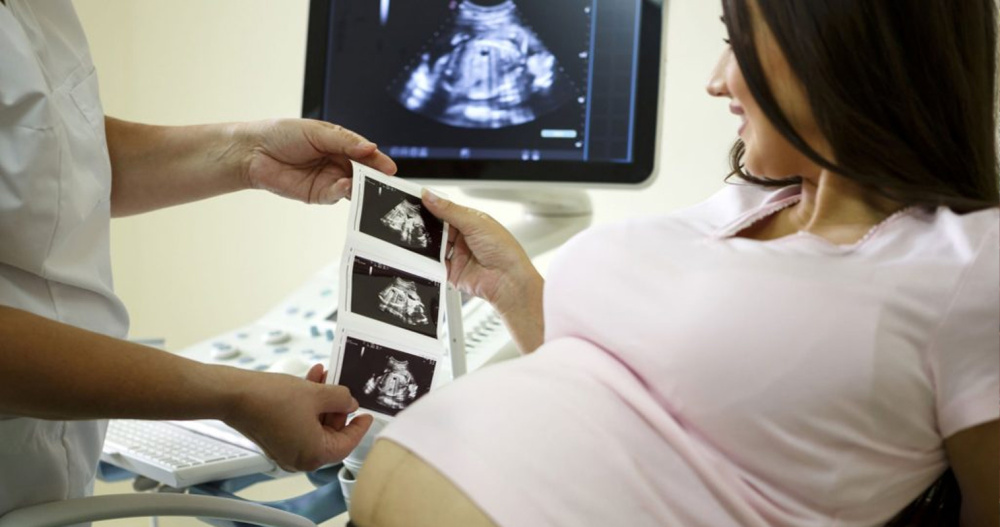

Common factors that may require closer monitoring include:
Previous pregnancy complications
A history of certain pregnancy complications may influence how the next pregnancy is monitored. Your obstetrician may review previous pregnancy records and consider whether additional surveillance is appropriate.
High blood pressure
Chronic hypertension or high blood pressure that develops during pregnancy can require careful monitoring. Hypertensive disorders can become serious, which is why blood-pressure assessment is an important part of antenatal care.
Diabetes
Diabetes that existed before pregnancy or develops during pregnancy may require additional monitoring and management according to the woman's individual circumstances.
Multiple pregnancy
Pregnancies involving twins or more babies may require additional assessments because the pregnancy has different monitoring and management considerations.
Kidney, heart, thyroid or other medical conditions
Certain pre-existing health conditions can influence pregnancy management. The obstetrician may coordinate care with another specialist when necessary.
Previous preterm birth or pregnancy loss
A previous history of particular pregnancy complications may affect the assessment and follow-up plan during a subsequent pregnancy.
Concerns about fetal growth
If the baby's growth appears different from what is expected, the obstetrician may recommend additional ultrasound assessments or other monitoring.
Having one of these factors does not automatically mean that a serious problem will develop. The purpose of identifying risk factors is to allow appropriate medical assessment and follow-up.
What Are the Warning Signs During Pregnancy?
Some pregnancy complications can occur without obvious symptoms, which is one reason routine antenatal appointments are important.
However, certain symptoms should not be ignored.
Seek medical attention promptly if you experience symptoms such as:
WHO identifies bleeding, abdominal pain, severe headache, high fever and swelling among pregnancy danger signs that require appropriate medical attention.
Do not wait for the next routine appointment if you are experiencing concerning symptoms. Contact your obstetrician or seek urgent medical care based on the severity of the symptoms.
How Is a High-Risk Pregnancy Monitored?
There is no universal monitoring schedule for every high-risk pregnancy.
Your obstetrician determines the appropriate follow-up based on the specific risk factors involved.
Monitoring may include:
Blood pressure monitoring
Blood pressure is routinely assessed during pregnancy. Additional monitoring may be recommended when there is hypertension or a concern about hypertensive disorders.
Blood and urine tests
Depending on the pregnancy and clinical findings, blood or urine investigations may be used to assess maternal health and screen for or monitor certain conditions.
Ultrasound scans
Ultrasound may be recommended to assess fetal development, growth, anatomy, placenta and other pregnancy-related findings.
Fetal growth assessment
If there is concern about fetal growth, additional ultrasound examinations may be recommended to monitor the baby's development.
Additional fetal monitoring
Some pregnancies may require additional assessments later in pregnancy depending on the maternal condition, fetal findings and overall clinical picture.
The important point is that more monitoring does not necessarily mean something is wrong. Sometimes additional appointments or investigations are recommended simply because a known risk factor requires closer observation.
Why Is Antenatal Care Important in High-Risk Pregnancy?
Antenatal care provides opportunities to monitor the health of the mother and baby, screen for complications, and provide appropriate advice and treatment when needed.
WHO describes antenatal care as an important platform for health promotion, screening, diagnosis and disease prevention during pregnancy.
For a high-risk pregnancy, appointments may involve more individualized assessment than routine pregnancy care.
Your doctor may review:
High-Risk Pregnancy vs Normal Pregnancy: What Is the Difference?
The key difference is generally the level of risk assessment and monitoring required, not whether one pregnancy is guaranteed to be healthy and another is guaranteed to have complications.
| Routine Pregnancy Care | High-Risk Pregnancy Care |
|---|---|
| Standard antenatal follow-up | Individualized follow-up based on risk factors |
| Routine pregnancy assessments | Additional assessments may be recommended |
| Standard screening | Closer monitoring may be required |
| Routine ultrasound schedule where appropriate | Additional scans may be advised when clinically indicated |
| Standard pregnancy guidance | More condition-specific advice |
| Referral when a concern develops | Specialist involvement may be required depending on the condition |
A pregnancy can also move between different levels of monitoring as circumstances change. Therefore, the care plan should be reviewed throughout pregnancy rather than assumed to remain unchanged.
Can a High-Risk Pregnancy Have a Healthy Outcome?
Yes, a pregnancy being classified as high risk does not mean that a complication is inevitable.
The purpose of identifying pregnancy risks is to ensure that appropriate medical attention can be provided when necessary. Early and regular antenatal care allows healthcare professionals to monitor maternal and fetal health and respond to concerns according to the individual situation.
However, outcomes cannot be guaranteed for any pregnancy. Your obstetrician can explain your individual risk factors, what they mean, what monitoring is recommended, and when additional medical care may be necessary.
What Happens During a High-Risk Pregnancy Consultation?
A high-risk pregnancy consultation usually begins with understanding the mother's overall health and pregnancy history.
Your obstetrician may ask about:
- Previous pregnancies and deliveries
- Previous pregnancy complications
- Existing medical conditions
- Current medications
- Previous surgeries
- Current pregnancy symptoms
- Previous investigation and scan reports
- Family or relevant medical history
The doctor may then review available clinical information and determine whether additional investigations, scans, follow-up appointments, or specialist input are appropriate.
A useful approach is to bring:
- Previous pregnancy records
- Ultrasound reports
- Blood-test reports
- Current medication details
- Relevant medical records
- A list of questions or symptoms you want to discuss
This can help your doctor understand your pregnancy history more completely.
High-Risk Pregnancy and Pregnancy Scans
Pregnancy scans can become particularly important when your obstetrician needs additional information about fetal development or maternal and placental findings.
Depending on the clinical situation, the doctor may recommend ultrasound examinations to assess:
- Fetal growth
- Fetal anatomy
- Placental location
- Amniotic fluid
- Fetal position
- Certain blood-flow measurements when clinically indicated
Not every woman with a high-risk pregnancy needs every type of scan.
The timing and frequency of scans should be determined by the obstetrician based on the pregnancy, rather than following a fixed schedule found online.
This is also why ultrasound results should be interpreted together with the mother's symptoms, examination findings, medical history and other investigations.
High-Risk Pregnancy and Pre-Eclampsia
Pre-eclampsia is a pregnancy-related hypertensive disorder that typically develops after 20 weeks and can affect multiple organs. It can sometimes occur without obvious symptoms, making antenatal blood-pressure and other assessments important.
Possible warning symptoms include:
- Severe headache
- Visual disturbances
- Upper abdominal pain
- Significant swelling
- High blood pressure
However, symptoms vary, and some women may have few or no noticeable symptoms.
If your doctor identifies risk factors for pre-eclampsia or another hypertensive disorder, they may recommend closer monitoring and appropriate investigations.
What Can You Do During a High-Risk Pregnancy?
Medical follow-up is central to managing a high-risk pregnancy, but patients can also support their care by staying engaged with their healthcare team.
Keep every recommended appointment
Do not skip antenatal appointments simply because you feel well. Some pregnancy complications may not cause obvious symptoms.
Follow your doctor's treatment plan
Take prescribed medicines and supplements exactly as advised. Do not start, stop or change medication without discussing it with your healthcare provider.
Keep your medical records organized
Keep scan reports, laboratory results, prescriptions and previous pregnancy records together so they are available during consultations.
Know your warning signs
Understanding when to contact your doctor or seek urgent care can help you respond promptly when something changes.
Ask questions
If you do not understand why a scan, test or follow-up appointment has been recommended, ask your obstetrician to explain its purpose.
When Should You See an Obstetrician for High-Risk Pregnancy Care?
You should discuss your pregnancy with an obstetrician if you have been told that your pregnancy requires closer monitoring or if you have a medical condition or previous pregnancy history that may affect your current pregnancy.
You should also seek medical advice promptly if you develop concerning symptoms such as bleeding, severe headache, visual changes, significant abdominal pain, high fever or other sudden changes during pregnancy.
Early communication with your healthcare team can help determine whether you need routine antenatal care, additional monitoring, or specialist assessment.
High-Risk Pregnancy Care at Healtree Hospital, ECR, Neelankarai
For expectant mothers in ECR, Neelankarai and surrounding areas of Chennai, individualized obstetric care can be important when a pregnancy requires closer monitoring.
At Healtree Multi-Speciality Centre & Hospital, Obstetrics & Gynaecology care can be discussed with the hospital's obstetric specialists based on the individual pregnancy and clinical requirements.
Location:
2/614 A, Philips Street, ECR, Neelankarai, Chennai, Tamil Nadu 600115.
S
Meet Our Obstetrics & Gynaecology Specialists
Dr. Suganya R
M.B.B.S, D.N.B (OBG)
Experience: 18 years*
Her areas of practice provided by the hospital include high-risk pregnancy management, adolescent gynaecology, contraception counselling and management, menstrual disorders, infertility and PCOS care, menopause management and minimally invasive laparoscopic procedures.
*Please verify the current experience figure with Healtree before publication because the information previously supplied for Dr. Suganya contained both 18 years and 8 years.
H
Meet Our Obstetrics & Gynaecology Specialists
Dr. Hemalatha
Qualification: M.B.B.S, M.D (OBG)
Experience: 21 years
Dr. Hemalatha has experience in obstetrics and gynaecology, including routine and complicated pregnancies and gynaecological conditions. Her areas include routine antenatal and high-risk pregnancy management, gynaecological laparoscopic procedures, minimally invasive laparoscopic surgeries and gynaecology oncology.
*Please verify the current experience figure with Healtree before publication because the information previously supplied for Dr. Suganya contained both 18 years and 8 years.
Why Individualized High-Risk Pregnancy Care Matters
No two pregnancies are exactly alike.
A woman with high blood pressure may require a different monitoring approach from someone with diabetes, while a pregnancy involving twins may require a different assessment plan again.
That is why high-risk pregnancy care should focus on the specific reason for increased risk, the mother's current health, the baby's development and how the pregnancy changes over time.
Rather than following a generic online checklist, discuss your individual pregnancy with your obstetrician and understand:
- What makes the pregnancy high risk
- What monitoring is recommended
- Which tests or scans may be needed
- Which symptoms require immediate attention
- How frequently follow-up is required
- When additional specialist care may be considered