-
-
2/614 A, Philips Street, ECR,
Neelankarai,Chennai-600115

IBS Treatment in Neelankarai, ECR: Effective Long-Term Care for Irritable Bowel Syndrome and Abdominal Pain
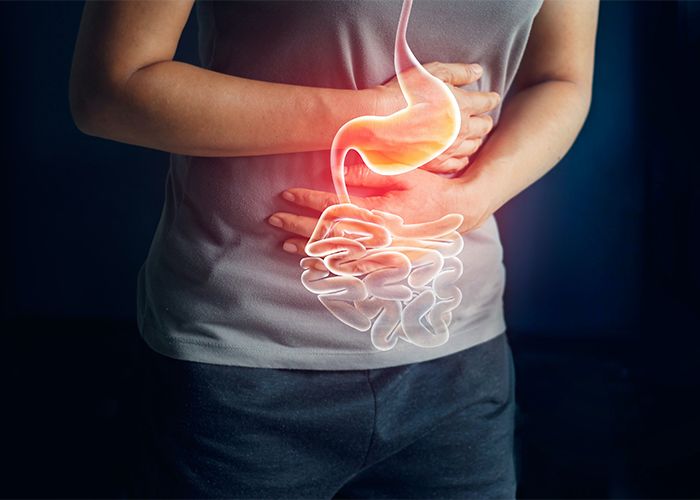
Persistent digestive symptoms such as abdominal pain, irregular bowel movements, and chronic constipation often indicate more than routine digestive disturbance. Irritable Bowel Syndrome (IBS) is a functional gastrointestinal condition where the digestive system behaves irregularly despite the absence of visible structural abnormalities. This makes IBS a condition that requires careful clinical evaluation and long-term management rather than temporary symptom relief.
At Healtree Multi-Speciality Centre & Hospital in Neelankarai, along ECR, IBS treatment in Neelankarai is structured to address both the symptoms and the underlying functional imbalance of the digestive system. Since 2009, the hospital has been managing chronic gastrointestinal conditions by focusing on identifying patient-specific triggers, stabilizing bowel function, and improving long-term digestive health through consistent and guided care.
IBS as a Functional Disorder: Understanding the Gut-Brain Axis
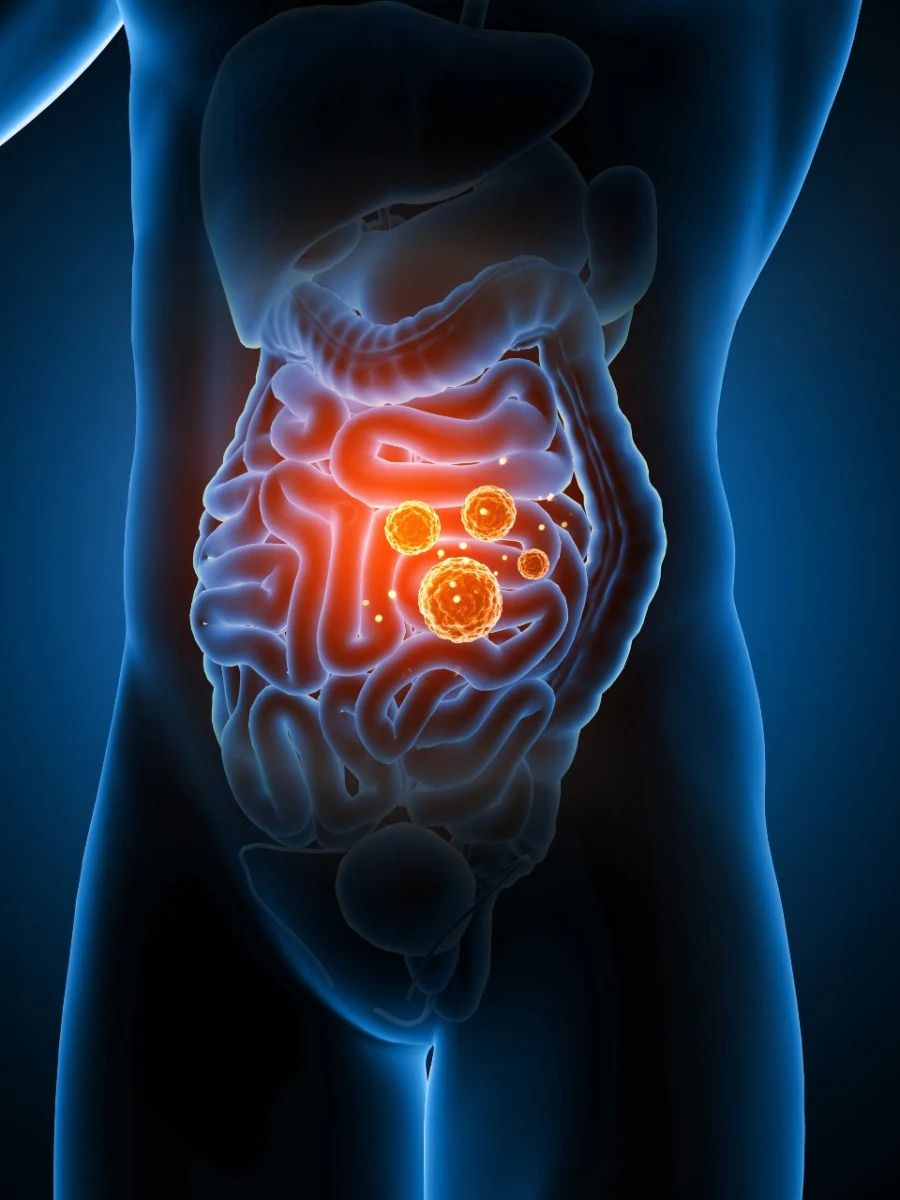
IBS is primarily driven by altered communication between the gut and the brain, often referred to as the gut-brain axis. This interaction affects how the intestines contract, how sensitive they are to normal digestive processes, and how the body perceives pain. As a result, patients may experience significant discomfort even when routine investigations do not show structural disease.
At Healtree Multi-Speciality Centre & Hospital in Neelankarai, IBS disease treatment in Chennai-level protocols are applied with a focus on identifying how this gut-brain interaction contributes to symptoms in each individual.
Key Functional Characteristics of IBS
IBS vs Normal Stomach Pain: Clinical Differentiation
Many individuals assume that recurring abdominal discomfort is due to simple digestive issues. However, IBS differs significantly in its pattern, duration, and association with bowel habits. Recognizing these differences is critical for timely diagnosis and effective management.
At Healtree Multi-Speciality Centre & Hospital in Neelankarai, evaluation focuses on distinguishing IBS from routine digestive discomfort to ensure accurate treatment planning.
Key Differences Between IBS and Routine Digestive Issues
Symptom Patterns and Clinical Presentation in IBS
IBS does not present as a single symptom but as a cluster of recurring patterns that vary from person to person. These patterns may change over time, making it important to evaluate the overall clinical presentation rather than isolated complaints.
At Healtree Multi-Speciality Centre & Hospital in Neelankarai, IBS symptoms and treatment for adults are approached by analyzing how symptoms evolve and interact over time.
Common IBS Symptom Clusters
Identifying Triggers That Influence IBS Symptoms
IBS symptoms are often triggered or aggravated by multiple factors, including diet, lifestyle, and psychological stress. These triggers vary among individuals, making personalized identification essential for long-term control.
At Healtree Multi-Speciality Centre & Hospital in Neelankarai, IBS treatment in Neelankarai includes a structured approach to identifying and managing these triggers.
Common IBS Trigger Factors
Clinical Evaluation and Diagnosis of IBS
Diagnosing IBS requires a comprehensive clinical approach that focuses on symptom patterns, duration, and exclusion of other gastrointestinal conditions. There is no single test that confirms IBS, which makes a detailed evaluation essential.
At Healtree Multi-Speciality Centre & Hospital in Neelankarai, diagnosis is carried out through a systematic and patient-focused process to ensure clarity and accuracy.
Components of IBS Evaluation
IBS Subtypes and Their Role in Targeted Treatment Planning
IBS is not a uniform condition; it presents in distinct subtypes based on bowel habit patterns. Correctly identifying the subtype is essential because treatment strategies differ significantly between constipation-dominant, diarrhea-dominant, and mixed presentations. Without this classification, management may address only partial symptoms, leading to incomplete relief and recurring flare-ups.
At Healtree Multi-Speciality Centre & Hospital in Neelankarai, IBS treatment in Neelankarai follows a subtype-based framework that aligns therapy with the patient's dominant pattern, improving both short-term symptom control and long-term stability.
Common IBS Subtypes
IBS with Constipation: Mechanism, Burden, and Clinical Approach
IBS with constipation is one of the most frequently encountered presentations, characterized by delayed intestinal transit, increased water absorption in the colon, and heightened sensitivity of the gut. These mechanisms contribute to hard stools, difficulty in evacuation, and persistent abdominal discomfort. Over time, this can lead to a cycle of incomplete evacuation and recurrent bloating.
At Healtree Multi-Speciality Centre & Hospital in Neelankarai, IBS with constipation treatment options are designed to address both the physiological slowdown of bowel movement and the functional discomfort associated with it.
Key Features of IBS with Constipation
Integrated Treatment Framework: Medical and Functional Alignment
Effective IBS management requires a coordinated approach that combines medical therapy with functional correction of gut behavior. Since IBS involves multiple influencing factors—motility, sensitivity, diet, and stress—treatment must be adaptive and continuously refined.
At Healtree Multi-Speciality Centre & Hospital in Neelankarai, how to manage IBS naturally and medically is approached through a structured plan that balances symptom control with long-term stabilization.
Core Treatment Approach
Diet and IBS: Scientific Approach to Food-Related Triggers
Diet plays a central role in IBS management, as certain foods can influence gut motility, fermentation, and sensitivity. However, dietary intervention should be strategic rather than restrictive, focusing on identifying triggers while maintaining nutritional balance.
At Healtree Multi-Speciality Centre & Hospital in Neelankarai, best diet for IBS patients in India is developed through personalized planning that considers individual tolerance and symptom patterns.
Dietary Considerations for IBS
Managing IBS Flare-Ups: Early Intervention and Control
IBS symptoms often fluctuate, with periods of stability interrupted by flare-ups triggered by diet, stress, or routine changes. Effective management of these episodes requires early recognition and prompt adjustment of treatment strategies.
At Healtree Multi-Speciality Centre & Hospital in Neelankarai, IBS flare-up treatment and prevention strategies are integrated into patient care to minimize disruption and maintain stability.
IBS Flare-Up Management Strategies
Long-Term Stability and Functional Recovery in IBS
IBS management is centered on achieving long-term stability rather than immediate resolution. The goal is to reduce symptom frequency, improve tolerance to daily activities, and restore confidence in digestive health. This requires consistency in treatment and lifestyle adaptation.
At Healtree Multi-Speciality Centre & Hospital in Neelankarai, long-term solution for irritable bowel syndrome is developed through structured care plans that emphasize gradual improvement and sustained control.
Long-Term IBS Management Goals
Patient Patterns: How IBS Typically Presents in Daily Life
IBS often follows recognizable patterns rather than appearing as isolated symptoms. Many individuals experience a cycle where symptoms fluctuate depending on diet, stress levels, sleep patterns, and daily routine. These variations can make the condition unpredictable, leading to confusion about whether the problem is temporary or chronic.
At Healtree Multi-Speciality Centre & Hospital in Neelankarai, IBS treatment in Neelankarai focuses on identifying these real-life patterns to build a management plan that remains effective across different situations.
Common Day-to-Day IBS Patterns
When IBS Requires Medical Attention Instead of Self-Management
Many individuals attempt to manage IBS symptoms on their own, often using over-the-counter remedies or dietary changes. While this may provide temporary relief, persistent or worsening symptoms require proper clinical evaluation to prevent misdiagnosis and ineffective treatment.
At Healtree Multi-Speciality Centre & Hospital in Neelankarai, patients are guided on recognizing when IBS symptoms move beyond self-management and require structured care.
Indicators That Medical Evaluation Is Needed
Red Flag Symptoms That Need Immediate Evaluation
While IBS is a functional disorder, certain symptoms may indicate conditions that require further investigation. Recognizing these warning signs helps ensure that more serious gastrointestinal conditions are not overlooked.
At Healtree Multi-Speciality Centre & Hospital in Neelankarai, evaluation protocols are designed to identify these red flags early and guide appropriate intervention.
Warning Signs That Should Not Be Ignored
Safety and Rational Approach to IBS Treatment
IBS management requires a careful balance between treatment effectiveness and patient safety. Overuse of medication, self-treatment without guidance, or restrictive diets can sometimes worsen symptoms or lead to additional complications.
At Healtree Multi-Speciality Centre & Hospital in Neelankarai, IBS disease treatment in Chennai-level protocols are followed with a focus on safe, evidence-based, and patient-centered care.
Principles of Safe IBS Management
Challenges in Chronic IBS Management and How They Are Addressed
IBS is a long-term condition that presents unique challenges, including symptom variability, patient adherence to treatment, and difficulty in identifying triggers. These challenges require a structured and adaptive approach to maintain consistent control.
At Healtree Multi-Speciality Centre & Hospital in Neelankarai, IBS treatment in Neelankarai is designed to address these challenges through continuous evaluation and patient engagement.
Common Challenges in IBS Care
Impact of IBS on Quality of Life and Daily Functioning
Although IBS is not life-threatening, its impact on quality of life can be significant. Persistent discomfort, dietary restrictions, and unpredictability of symptoms can affect daily routine, work productivity, and overall well-being.
At Healtree Multi-Speciality Centre & Hospital in Neelankarai, care is focused on improving not just symptoms but also overall quality of life for patients.
Effects of IBS on Daily Life
What People Often Search Before Choosing IBS Treatment
Patients dealing with long-term digestive discomfort usually search for clear answers before consulting a specialist. These queries reflect confusion about whether symptoms are serious, manageable, or require medical attention. Addressing these directly improves both search visibility and patient confidence.
Common IBS Queries
These searches indicate that patients are moving from awareness to decision-making. Providing clear, structured answers helps them take the next step toward proper care.
Outcome-Based IBS Management Approach
Effective IBS care is not limited to temporary symptom relief. It is designed to achieve measurable outcomes such as improved bowel regularity, reduced flare-ups, and better tolerance to daily routines. A structured approach ensures that treatment leads to consistent and sustainable improvement.
Core Outcome Targets in IBS Care
Why Patients Prefer Healtree for IBS and Digestive Care
Choosing the right place for IBS treatment is important because the condition requires long-term management rather than short-term intervention. A structured, patient-focused approach helps in achieving consistent results.
At Healtree Multi-Speciality Centre & Hospital in Neelankarai, IBS treatment in Neelankarai is delivered through a combination of clinical evaluation, personalized care, and ongoing monitoring to ensure long-term stability.
Key Reasons Patients Choose This Care Approach
Moving from Symptom Control to Long-Term Stability
IBS management is a gradual process that focuses on improving digestive function over time. With consistent care, patients can achieve better symptom control, improved tolerance to daily activities, and greater confidence in managing their condition.
At Healtree Multi-Speciality Centre & Hospital in Neelankarai, care pathways are designed to help patients move from recurring discomfort to stable and manageable digestive health.
Book Your Consultation
If you are experiencing persistent abdominal pain, constipation, or irregular bowel habits, early evaluation can help identify whether IBS is the cause and guide appropriate treatment.
Visit Healtree Multi-Speciality Centre & Hospital in Neelankarai, ECR for structured IBS care and long-term digestive health support.
Frequently Asked Questions
If symptoms persist over time and are associated with changes in bowel habits, medical evaluation is recommended to confirm IBS.
IBS is a long-term condition, but symptoms can be effectively managed with structured treatment and lifestyle adjustments.
Diet varies for each individual. Identifying triggers and maintaining balanced nutrition is essential for long-term management.
If symptoms persist, worsen, or affect daily activities, it is advisable to seek medical evaluation.
Yes, stress can significantly influence IBS symptoms due to the gut-brain connection.